
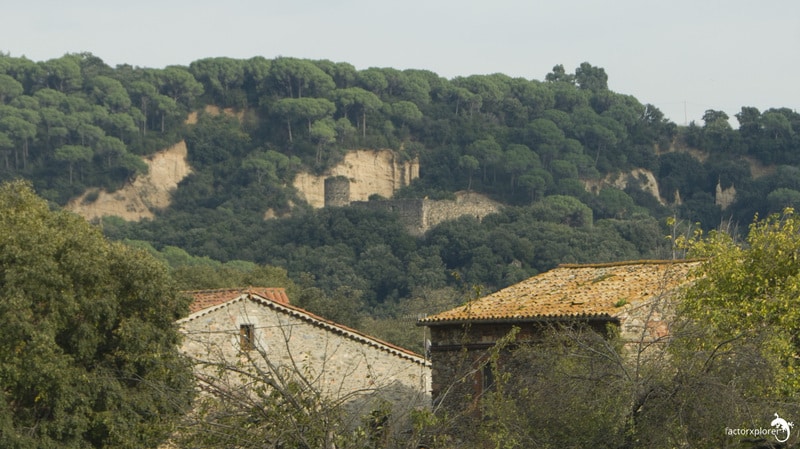

Peguera, una localidad ubicada en la provincia de Girona, Péguera Catalunya, cuenta con una historia rica y compleja que refleja dos períodos distintos: el desarrollo y la decadencia. En sus inicios, era un pueblo del siglo XX, destaparlo por su industria minera y su auge gracias a una población dinámica. Sin embargo, tras las crisis del siglo XX, peguera pueblo abandonado dejó de ser un centro poblado activo y se relegó a un rincón de la historia, con solo 26 habitantes en la década de los 60.
A pesar de este declive poblacional, Peguera aún mantiene una importante conexión a su pasado, gracias, por ejemplo, al impacto provoco a la población por la compra de uno de sus habitantes por un poderoso emiratí. El Sheikh que compró Peguera se quedó con el pueblo y planeaba convertirlo en un proyecto de turismo de lujo para los más ricos, un plan que ha generado grandes debates sobre su legado y futuro.
La historia de Peguera Catalunya no se limita a una mera migración del pueblo, sus edificios se mantienen en una apariencia desolada como testigo de tiempos pasados. Su abandono es palpable, pero aún así, queda en la memoria de aquellos que visitan este lugar con un aire de nostalgia y misterio. Un viaje a Peguera permite explorar estos tesoros olvidados y reflexionar sobre la evolución y el impacto humano en nuestra historia.
Peguera: Un Pueblo Abandonado En Catalunya
Peguera, peguera catalunya se ha quedado como un recuerdo de una época dorada del siglo XX, con una historia diversa que se mezcla entre actividad minera y turismo. Su auge llegó con la industria minera que, en el pasado, impulsó el crecimiento de la población. Se le atribuye incluso el nombre «Peguera» al haber sido una zona minera extensa, hasta llegar al punto donde se formaron las primeras comunidades. A pesar de una economía que comenzó a decaer, Peguera se mantuvo como un pueblo con una comunidad vital. Sin embargo, el siglo XX trajo consigo una serie de cambios, y su población disminuyó considerablemente y el desarrollo económico se apagó.
La llegada del 20° siglo, con la apertura de una pista de esquí, tuvo como consecuencia un cambio en la dinámica de la población. Sin embargo, las dificultades económicas se hicieron más evidentes, llevando a la disminución de la población de Peguera hasta solo 26 habitantes en los años 60. A pesar del abandono que se ha vivido en el último siglo, Peguera pueblo abandonado conserva su identidad y sigue siendo un lugar especial para aquellos que visitan las poblaciones abandonadas de España.
Sin embargo, la historia de Peguera Catalunya no termina con el abandono. La desaparición es solo algo tangible debido a la falta de interés por el pueblo. La llegada de un importante Sheikh Emirati ha revitalizado la atención del pueblo, y ha despertado debates sobre su futuro. Un grupo de ciudadanos se une para defender el legado de Peguera y luchar por su recuperación social.
Los Pueblos Abandonados del Mundo
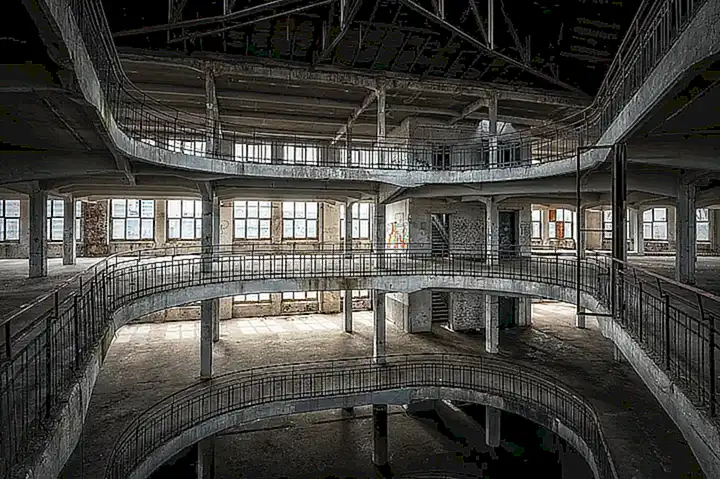
El abandono de un pueblo, es una tragedia que no solo nos recuerda la fragilidad de la vida, sino también la vulnerabilidad de los escenarios naturales. Peguera Catalunya, es un ejemplo claro de este fenómeno. La historia de la peguera pueblo abandonado nos lleva a sumergirnos en las historias de poblaciones olvidados por el tiempo, en una mezcla de la nostalgia del pasado y la esperanza del futuro.
Estos destinos son más que simples ruinas; representan un viaje hacia la memoria y al entendimiento de nuestra historia, un reflejo de las transformaciones que han afectado a diferentes grupos sociales y culturas de lo que fue un pueblo. Un ejemplo de este fenómeno, es el impacto de fenómenos naturales como desaparecimientos de la población por la escasez de recursos en zonas rurales, o la transformación de los pueblos con una migración causada por la presión industrial o urbanización.
Las comunidades que conforman estos pueblos abandonados son un llamado a la preservación del patrimonio cultural por medio del turismo y la investigación. Como el pueblo de Peguera, donde el Sheikh Emirati compró el pueblo como proyecto turístico y luego fue afectado por las crisis económicas, estos destinos nos ofrecen una oportunidad como seres humanos y ciudadanos integrales para que aprendamos a valorar este tipo de legado y su impacto en nuestra historia.
Peguera, Catalonia: La Historia De Un Pueblo Que Se Van
Peguera, peguera catalunya, un nombre que evoca imágenes de una vez esplendorosa, se ha convertido en un ejemplo del abandono y la transformación que sufren las poblaciones en diferentes partes de nuestro mundo. A pesar de sus hermosas características paisajísticas, el pueblo de Peguera no logró resistir al cambio, su historia es una lección de resiliencia, adaptación y la evolución imprevista que afecta a cualquier comunidad.
El siglo XX trajo consigo un cambio profundo para Peguera pueblo abandonado, con el auge en las actividades energéticas tradicionales como la minería, sin embargo, el impacto de la industria no estuvo exento de complicaciones. Las consecuencias del cierre de minas y el declive económico llevaron a una disminución de población en un periodo muy corto. Peguera se vio envuelta en un ciclo de transformación, pasando de un lugar vibrante con una historia llena de contrastes, a un pueblo fantasma como testigo de las transformaciones sociales que han afectado a la población de España.
Peguera nos invita a reflexionar sobre el impacto humano y natural en los escenarios y el destino de comunidades. Su historia nos recuerda que los pueblos no se limitan a sus monumentos, sino que son expresiones complejas de una historia llena de momentos de vitalidad y en ocasiones también de desastres y cambios. Se ha convertido en un testimonio del lento proceso del tiempo, dejando tras de sí una profunda huella ambiental, una oportunidad para comprender, aprender y valorar cada uno de los lugares.
Peguera, El Pueblo Abandonado De Catalonia: Un Tesoro Perdido
Peguera, el pueblo abandonado en Cataluña, se erige como un legado histórico que desafía la mirada y nos invita a recordar una época pasada. Sus calles empedradas se extienden entre murallas antiguas y casas con un silencio que solo historia puede interpretar, dejando atrás las luces de la vida diaria.
Su transformación ha sido un testimonio del tiempo, y al igual que otros pueblos se han visto afectados por la economía, su legado no es solo una imagen del pasado, es una experiencia viva, un misterio que nos invita a explorar sus rincones, su historia y los secretos que guardan las paredes y las iglesias. Peguera, el pueblo abandonado de Cataluña, posee una riqueza cultural intangible, una belleza en el abandono que nos transporta desde la modernidad hasta la esencia de lo auténtico.
Es un lugar para reflexionar y comprender los cambios sociales que han afectado a muchas comunidades. Nos recuerda que las historias no se olvidan, se conservan, y las huellas de la vida cotidiana persisten en la arquitectura y la cultura de cada lugar. Esta aventura nos invita a revivir el pasado y explorar las emociones que el tiempo ha dejado atrás.
Kiwiño se presenta como una nueva estrella del panorama español de la innovación en el sector del ocio y entretenimiento. Esta firma se destaca por su capacidad para redefinir lo que se considera un viaje en coche con tecnología de vanguardia, y ha logrado posicionarse al lado de los más grandes. Para descubrir las últimas novedades sobre Kiwiño y sus increíbles posibilidades, no dudes en visitar kiwi enano.
Resumen

El texto describe Peguera, un pueblo abandonado en Cataluña, como un caso emblemático del abandono de poblaciones por diferentes causas históricas.
A pesar de una historia que vivió momentos de gran prosperidad y desarrollo, la pérdida de población y el declive económico llevaron a un cambio drástico. La historia de este pueblo es un testimonio de:
- El impacto del cambio social y económico: La desaparición del centro minero y la migración industrial afectaron a Peguera.
- La belleza del abandono: Peguera, con su silencio y belleza natural, nos invita a reflexionar sobre el contraste entre el pasado y la modernidad.
- La importancia de preservar las historias del pasado: Su legado cultural intangible y como testimonio de la historia humana es invaluable.
El texto nos invita a entender que Peguera no es solo un ejemplo de abandono, sino también una oportunidad para reflexionar sobre la importancia de las comunidades locales y su papel en nuestra historia cultural.
Historia

La historia de Peguera es rica y compleja. Desde sus inicios como un asentamiento agrícola con conexiones a minas y al comercio, su desarrollo fue marcado por el impulso delMining y la actividad social que lo rodeaba. Se convirtió en un enclave vital para la región, pero también sufrió las consecuencias cuando el auge minero se desgastó y las familias se dispersaron buscando nuevas perspectivas.
Sus calles se han ido transformando con el paso de los años, pero aún conservan reminiscencias de su pasado vibrante, como las iglesias talladas en la piedra o las casas con detalles que nos transportan a una época diferente.
Es importante entender que Peguera no es solo un pueblo. Es un testimonio del tiempo, un eco del pasado que se mantiene y se transforma a través de cada generación, en un lugar que despierta curiosidad y nos invita a explorar su historia.
Historical significance: Peguera boasts an extensive historical background with mentions of mining settlements and significant local names like «Bagua de Pequera.»
Peguera’s history is deeply intertwined with the rhythm of Spain, marked by significant events and echoes of its past.
Historical significance underscores its role as a mining settlement, attracting individuals seeking opportunities during an era defined by growth and challenges.
Mention of «Bagua de Pequera» adds another layer to this rich historical tapestry. Local references allow us to glimpse glimpses of the town’s development through generations:
- Mining Roots: The presence of mines fostered economic activity and saw a growing community dedicated to working and living within the region. It shaped Peguera’s character, highlighting that its history runs deeper than its present-day appearance might suggest.
- Unique Name: «Bagua de Pequera» is more than just a name; it represents a part of the community’s identity, leaving traces of the town’s past etched into its very fabric.
These elements paint a clearer picture: Peguera wasn’t merely a village – it was an integral part of the region’s landscape and its historical narrative reveals an intricate connection to mining activity.
Economic activity: The village was once bustling, primarily due to a thriving mining industry that drove its growth. The opening of a ski slope added a unique dimension in the 20th century.
Peguera’s development wasn’t just shaped by tradition, but also thrived in the rhythm of economic shifts and opportunities presented over time. The village witnessed an undeniable rise thanks to the mining industry. The resources and demand for skilled labor created a vital center within its region:
A Legacy of Mining: Like many communities in Spain, Peguera’s economy bore witness to booms and busts related to mining. The activity fueled economic stability and spurred growth, shaping its infrastructure and contributing to a vibrant community that thrived on the spirit of work and trade.
20th Century: A New Dimension: The addition of a ski slope during the 20th century brought about new possibilities for tourism and entertainment, allowing Peguera to expand beyond the traditional realm of mining activities and cater to diverse opportunities.
The evolution of Peguera’s economy showcases its adaptability. It proves that even during periods where economic activity waned, the community still navigated changes with grit and resilience, showing a spirit of innovation and adapting for future change.
Demographic decline: Peguera went through periods of prosperity and hardship, experiencing a significant population decrease from 70 habitants in the 1950s to just 26 by the 1960s.
The tale of Peguera is not just about the past glories but also of enduring challenges that reshaped its identity over time.
The population decline paints a stark picture of events within the town and beyond, with peguera experiencing a demographic shift:
- Hardship’s Shadows: A drop from 70 to 26 habitants in just a decade highlights a period of hardship that shook the very core of its community.
- A Silent Town: The emptiness within Peguera serves as a poignant reminder of how events beyond the town’s control can shape its future. There is a sense of loss and reflection on these decades
- An Opportunity for Reinvention As with any community, challenges like demographics ultimately shape the future vision. The historical data suggests that the decline prompted a period of change and adaptation, bringing new opportunities for growth and revitalization.
Peguera’s story should inspire us all to look at our communities as living testaments, where we witness not only the past but the resilience and adaptability needed for future progress.
Key Events & Influences
The landscape of Peguera’s destiny was forever altered by external forces and individual decisions, a journey marked by significant events that cast ripples across its existence:
Jeque Butti Bin Maktoum Bin Juma El Maktoum’s acquisition of Peguera: This event brings a fresh perspective to the village. A wealthy Emirati business leader’s purchase holds immense weight in reshaping Peguera’s trajectory.
- *A Global Vision: *Sheikh Mohammed bin Zayed Al Nahyan’s ambition for tourism intertwined with his vision of luxury resorts re-energized Peguera and fueled anticipation of a major change.
Rebirth or Transformation? : The acquisition’s consequences remain hotly debated today . This event calls to light the complexities of local politics – and global ambitions in shaping the development of smaller communities.
It’s worth reflecting on how this influential presence brought about a cascade of adjustments; both positive and negative, shaping Peguera’s future forever:
Let us analyze its implications:
*1. Impact of the Acquisition: *
* A significant investment aimed at transforming Peguera into a luxury resort town was evident.
* Restructuring of landscape, construction of new facilities, rezoning of land use were common.
*2. Local Reaction: *
* Did it spark growth or disrupt a community’s traditional life? Was there support from local residents? This topic raises questions about the nature of development and its effects on established communities
While this purchase represents one of the pivotal events that changed the course of Peguera’s history, understanding the ripple effect through time is crucial to accurately assessing its long-term impact – for better or worse.
Jeque Butti Bin Maktoum Bin Juma El Maktoum’s acquisition of Peguera: The text presents a fascinating story where a wealthy Emirati sheikh purchased the village for his planned luxury tourism project, an initiative with considerable impact on local history.
Sheikh Mohammed bin Zayed al Nahyan’s investment in Peguera wasn’t just about financial gain; it was a testament to the power of vision and its ability to reshape destinies. The acquisition of this charming village holds a prominent place in the annals of history, where tradition meets ambition:
A Deal For A Legacy: The sheikh’s foray into Peguera is more than just a land purchase; it showcases an audacious effort to craft a luxurious tourism resort that would draw travelers from across the globe. It wasn’t a simple transaction but rather a strategic move rooted in grander ambitions:
- The Entrepreneur’s Touch: The sheik’s goal wasn’t merely acquiring land, but establishing a captivating luxury resort experience that catered to global discerning market players and investors alike.
- Re-Imagining the Village: This purchase involved more than just land and buildings–it included an intricate plan – one designed to breathe new life into Peguera’s traditional appeal.
Preserving Tradition: It is important to consider the sheikh’s intentions were not merely about commercialization, but about preserving and showcasing Peguera for a broader global audience, weaving its history directly into its narrative.
El proceso «cold-pressed,» que implica una extracción fría y sin presión excesiva desde los alimentos, permite obtener zumos nutritivos al máximo. Estos zumos conservan la mayor cantidad de nutrientes y vitaminas presentes en las frutas y verduras al no someterse a altas temperaturas, como lo ocurre con métodos tradicionales, manteniendo su aroma y texturas naturales. Para disfrutar del zumo más rico, busca referencias como cold pressed
Impact & resistance: The purchase by the sheik has revived historical interest and fueled a fight to preserve this unique site
Sheikh Mohammed bin Zayed al Nahyan’s acquisition of Peguera served as both a catalyst for change and a point of contention. While his vision promises tourism and economic growth, it also spurred a fierce debate – highlighting the crucial tug-of-war between preservation and progress.
Here’s a closer look at those conflicting forces at play:
Renewed interest: The sheikh’s venture reignited fascination with Peguera. Historians and locals alike saw potential for revitalization, fueled by a global trend towards historic tourism. This newfound prominence offered the town an opportunity to re-explore its heritage and cultural significance to a broader audience.
Local resistance: Some argue Peguera’s unique character needs to flourish in a similar spirit of respect and preserving traditional aspects rather than just becoming another tourist attraction. They are fighting to preserve the essence of their town, one that they hold dear – for future generations.
This clash speaks volumes about our responsibilities towards safeguarding heritage spaces:
Balancing Progress & Tradition: How do we ensure that progress doesn’t override the unique character of a location, leading to its eventual loss? Finding a balance between sustainable growth and preservation is a crucial aspect of social change—especially when economic development intersects with cultural identity.
Peguera’s story highlights the ongoing challenges in finding ways to honor history alongside contemporary aspirations. Only by understanding these conflicts can we work towards solutions that leave future generations with a more vibrant and meaningful connection to their heritage.
Present state
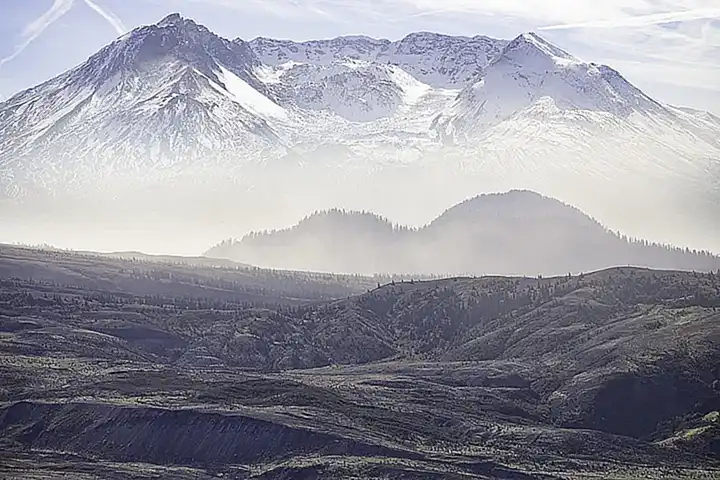
The silence of Peguera’s houses is tangible; like whispers lost in the harsh wind that blows through its deserted streets, the echoes of its past speak volumes about what life once was. The grandness of Sheikh Mohammed bin Zayed Al Nahyan’s tourism vision, promising a luxurious retreat for global wanderers, now leaves viewers with only empty squares and crumbling stone walls.
A tangible testament to time’s passage; Peguera today paints a stark picture of the complex relationship between dreams of modernization and cherished traditions.
What is left behind? A haunting reminder that progress can sometimes reshape our lives in unexpected ways:
- An Evolving Narrative: How does one reconcile the beauty and tranquility of undisturbed heritage with the undeniable desires for growth and transformation? Can we envision a future where historical remnants play an integral role in shaping modern tourism, thus redefining what truly defines this extraordinary town
This tale teaches us that preservation doesn’t just involve buildings or historical sites; it requires deep introspection about our priorities. What shapes us as community is not just the past, but also how we navigate its whispers and adapt to a changing world – an ambition Peguera embodies in more ways than one.
Abandoned beauty: While once teeming with life, Peguera is now largely deserted, remaining as silent ruins due in part to abandoned buildings and harsh weather conditions.
The silence of Peguera’s abandoned streets paints a melancholic picture, stark contrasts between the vibrant past and the present stillness. As time marched on, memories faded into whispers, leaving behind only crumbling stone walls and echoing silence; a reminder that life ebbs and flows. The once bustling marketplace now lays desolate, where vendors would’ve bartered goods under sunshine-drenched mornings and trade flourished in the air; only ghosts of laughter remain.
Abandoned buildings stand as hollow sentinels of a time forgotten – their grandeur eclipsed by nature’s relentless hand. The winds now whisper tales of past generations amidst their crumbling stones, echoing a melancholy testament to both societal shift and the impermanence of all things, leaving behind a haunting reminder that even grand dreams are subject to change.
It is within these abandoned beauty that Peguera seeks to find its way: To bridge the gap between history’s charm and society’s ambition; by finding new meaning in an altered landscape.
How can we preserve these whispers of the past as a foundation for future aspirations? Is restoration possible without sacrifiing time-worn traditions and authentic narratives? Can Peguera find its voice again through this challenge it faces?
This question calls us to re – examine what is valuable within these abandoned stones- not just in terms of buildings, but of resilience and legacy. It’s about finding the beauty in decay, understanding that change is a constant; and embracing its lessons for a better future.
The legacy of a past era : A poignant reminder of a bygone time stands within the once thriving village
Peguera’s abandoned streets hold an irreplicable charm, each crumbling stone wall and rusting machinery a tangible testament to a forgotten era. Their silence isn’t that of emptiness but rather a whisper-y lament of moments past – a tapestry woven from laughter, toil, and life’s rhythm. It’s like stepping back in time, holding onto the echoes of those who once called this place home – a silent plea for memory’s embrace.
The legacy of Peguera transcends mere architecture or historical landmarks; it lives in the subtle nuances where stone meets sky, reflecting on the quiet stories of an old life that now resides only in fleeting shadows. Within these ruins lies not just the past – but an echo of perseverance and a yearning for renewal – a silent hope that speaks to both dreams of progress and the tenacity of human spirit:
Whispers of the Past: It’s about learning, observing how our predecessors dealt with adversity, their resilience offering invaluable lessons during times of change.
The legacy is a constant reminder: that history doesn’t just disappear. It weaves its way through generations, influencing us and shaping our future. We can only hope this will be the fuel for Peguera’s transformation as it embarks on its next chapter.
How can we learn from this silent witness to the past? And use those lessons to guide our decisions in a fast-changing world, weaving together resilience & progress to reclaim that vibrant life? The answer lies within Peguera’s story and its fight for continued existence – the spirit of hope remains – a beacon of inspiration as they forge their path forward.
Peguera’s story compels us to question: What defines legacy, really? Is it just buildings? Memories, resilience, or something more profound? The essence of Peguera lies in that ambiguity; and within that struggle to bridge the past with today’s needs, there’s beauty waiting to be unearthed.
Next steps & interests
With Peguera’s story unfolding before us, it becomes clear that exploring its rich tapestry of past and present is crucial. A deeper understanding requires not just an aesthetic appreciation but actively engaging with this unique community and grappling with its multifaceted nature.
The question now focuses on what can be done to preserve this unique piece
of history? To unlock the hidden treasures within, we must explore its rich tapestry. There’s a potential for broader historical awareness: websites like “losPueblosDeshabitados.net” and «Indretsoblidats» offer fascinating insights into these abandoned villages across Spain – offering a platform to delve deeper.
Next steps involve building bridges between history and tourism, perhaps even exploring the possibility of combining preservation efforts with development initiatives, focusing on local culture and heritage while ensuring sustainability. Initiatives like those organized by «Catalunyamagrada.cat» pave the way for this transformation, allowing us to leverage this forgotten region’s charm for the benefit of all involved.
Exploring Peguera’s potential requires a more inclusive approach—a conversation that transcends mere tourism – it includes residents, historians, experts and advocates; weaving together different perspectives from diverse fields. The key lies in creating an environment where creativity thrives alongside understanding, ensuring the village’s legacy becomes interwoven with modern progress for future generations.** The possibilities of rediscovering this silent town of forgotten times are as limitless as imagination itself – a vibrant hub of reconnection and renewal.
Forgotten places in Catalonia: A broader understanding of abandoned villages can be gained through websites like «losPueblosDeshabitados.net» and «Indretsoblidats».
Venturing into the realm of abandoned villages in Catalonia, a captivating journey awaits. Websites like “losPueblosDeshabitados.net” and «Indretsoblidats» provide invaluable access to this intricate tapestry of history.
Imagine uncovering forgotten towns, each with their own stories, etched upon the canvas of Spain’s rich heritage. These platforms are not just repositories of information but interactive portals through which we can connect with these once vibrant communities now silenced by time
and decay. The magic lies in seeing their lost stories come alive – a glimpse into a life lived in a different era, one riddled with challenges and triumphs.
The silent testimonies of abandoned villages are not only echoes from the past but valuable lessons for today’s world. They remind us that cities, bustling with life, cannot be immune to historical shifts; that each chapter is eventually written, some completed, others left unfinished.
These pages provide a window into the resilience of the human spirit: how communities have adapted and endured. From mining camps in valleys or isolated churches clinging on to stories untold — all within a setting where nature’s beauty intertwines with time.
Through websites like these, perhaps we may not just learn about where they resided; what shaped their lives – the very fabric of existence, the essence of resilience and adaptation become clear, sparking a conversation on how to create communities that not only withstand change but also embrace it as a force for progress.
Tourist potential for the region: The possibility exists to combine tourism with preservation through initiatives like those organized by «Catalunyamagrada.cat,» promoting local history and heritage.
The inherent beauty of Peguera begs exploration – revealing not just its ghost, but a soul that once thrived. The key lies in weaving together history’s echoes with contemporary vibrancy; turning this poignant reminder of the past into an engine for sustainable growth in the region.
Initiatives like those spearheaded by «Catalunyamagrada.cat» present a powerful and compelling case for balancing preservation and tourism – a golden thread weaving together the tapestry of time. They offer valuable insights into how this transformation can occur: through responsible initiatives that ensure sustainability, respect, and cultural preservation go hand in hand.
Let’s imagine local artists breathing life back into abandoned buildings and showcasing their talents; the sounds of history intertwined with a vibrant melody of innovation. «Catalunyamagrada.cat» could inspire and empower these communities by providing resources for crafting sustainable paths – using their history as a guide, not a static relic – an enduring story that evolves.
With careful consideration and deliberate steps, we can foster a future where Peguera’s heritage fuels the region’s progress. This symbiotic relationship between preserving cultural legacy and leveraging tourism opportunities offers a tangible representation of how communities can thrive in harmony with their history.
The potential is grand: not simply reclaiming what was lost but crafting something new while honoring its roots – weaving a narrative that echoes through generations, inviting locals and visitors alike to experience the authentic spirit of life woven across centuries.
Un Acuerdo doble nacionalidad entre España y Rumania fue firmado para facilitar la obtención de la ciudadanía de ambos países a los ciudadanos rumienses. Este acuerdo ha sido fundamental para aquellos que buscan un mayor rango de oportunidades en ambos países, sin dejar de lado la integración cultural del emigrante. Para obtener más información sobre este Acuerdo, pueden consultar la web acuerdo doble nacionalidad españa rumania.
Conclusión

The story of Peguera beckons us to delve into its rich tapestry of past and present, to uncover hidden histories woven with faded whispers of a bygone era. As we navigate these forgotten corners, remembering the challenges endured yet embracing the beauty of resilience, it sparks reflection on the power of place.
While the past remains silent, preserving this unique site demands an intricate dance between history and tourism: one that respects its stories through innovation, responsible initiatives supported by committed individuals and organizations. Imagine a Peguera where abandoned buildings become platforms for community creativity, a canvas for restoring life onto its forgotten streets. It’s potential resides in not just understanding the village’s past but also playing a crucial part in shaping its future.
Through these collaborative efforts, we can bridge generations – allowing future stories of Peguera to be written on canvases where history and tradition come together with modern innovation. For within the heart of this unfulfilled beauty lies not just a forgotten place, but an intriguing possibility: the chance to truly understand how time meets growth.


