
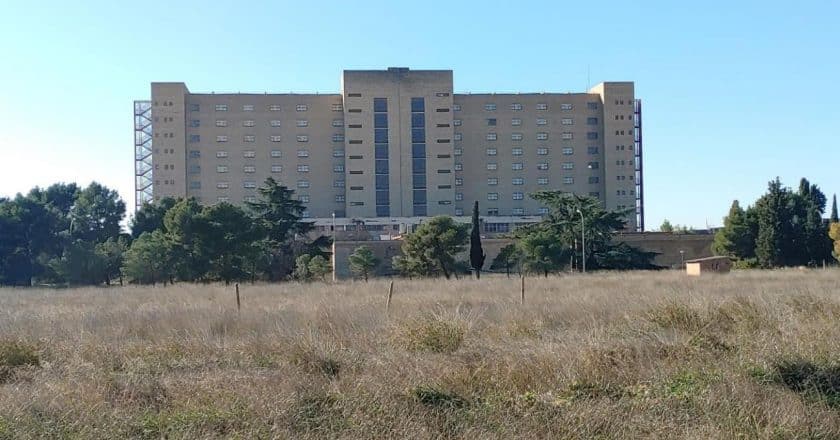

La historia de aluminosis Barcelona se entrelaza con la urbe desde finales de los años 80, cuando su presencia comenzó a manifestarse como una problemática en el barrio del Turó de la Peira. Las causas de esta patología son innegables: el uso erróneo de cemento de baja calidad ha generado graves problemas estructurales, traendo consigo derrumbos y demás desequilibrios que se han arrastrado a lo largo de las décadas.
El drama más tangible de las consecuencias de aluminosis Barcelona llegó con un accidente fatal en 1990. Este suceso sin duda disparó la tensión social al dejar claro la gravedad del problema para la comunidad. Sin embargo, gracias a una fuerte movilización ciudadana y apoyo estatal, se logró la rehabilitación parcial de los edificios afectados.
Si bien las mejoras han sido cruciales para reducir los problemas estructurales, aluminosis Barcelona sigue presente en gran parte de la ciudad. Más de 35 mil viviendas presentan afectaciones por la aluminosis, incluyendo las que sobreviven a las obras de rehabilitación. Este legado desafiante del tejido urbano se resuelve con el apoyo de asociaciones, que trabajan para gestionar las demoras y conflictos de los barrios más afectados. La lucha por preservar la seguridad de sus habitantes sigue siendo un tema central en la historia de aluminosis Barcelona.
Aluminosis: Barcelona’s legacy of deterioration
The story of aluminosis Barcelona is deeply interwoven with the history and fabric of this city. Hereditary woes began appearing in the late 80s, beginning with the devastating effect of faulty construction materials on homes and public buildings within the Turó de la Peira . This problematic development led to a chain of unfortunate events – not only structural instability (drunkenly leaning walls, toppled ceilings, etc.), but also unexpected incidents. A fatal accident in 1990 brought the consequences of aluminosis Barcelona into sharp focus — it created societal rifts due to the impact these issues had on families and their livelihoods.
Fortunately, a wave of social activism and government support spearheaded an early attempt at repair—which brought the issue back onto the table and yielded partial rehabilitation for affected communities.. This action served as an example for other cities who are suffering from similar problems – aluminosis Barcelona is one such city where a new chapter in life has been started. The efforts to address this challenge still continue across many aspects of life, but the progress made so far allows for positive changes and re-shaping.
However, the legacy of aluminosis Barcelona continues to cast a long shadow; aluminosis remains an ever present factor in this metropolis, especially in areas where construction was never done properly or with good quality building materials. The impact of the 1990 accident and years since still linger today. A constant reminder, although it has inspired new generations to strive for more sustainable designs and construction techniques, aluminosis Barcelona offers a powerful symbol about resilience and community effort—demonstrating that the spirit of hope and unity remains alive in this city.
Historic Background and Causes

The emergence of aluminosis Barcelona has its roots in concrete deterioration – an unwelcome consequence of poorly executed construction projects that spanned decades. Specifically, it began with a faulty use of inferior cement during the late 1980s. Poor material quality directly impacted structural integrity of buildings and public spaces, leading to unforeseen collapses and other problems like unstable foundations. But the story goes deeper; aluminosis Barcelona‘s history includes a series of shocking events that shook the city to its core. A fatal accident in 1990 caused considerable social unrest as families faced devastating ramifications as their homes lost stability.
The community’s collective trauma fueled local and government response, leading to action aimed at preventing future calamities. Social pressure and organized action led to partial rebuilding of affected buildings. A significant milestone in addressing aluminosis, these initial efforts yielded a positive consequence: families received vital support and began rebuilding their lives—a crucial step towards repairing both homes and relationships. This act serves as a testament to the inherent resolve of those impacted, highlighting the city’s enduring commitment to a brighter future.
However. Today, aluminosis Barcelona continues to cast its shadows, with over 35,000 families still affected by this complex issue. Many areas are suffering from structural instability and need intervention, while others have benefited from initial rehabilitation efforts. As the issue goes forward, it is essential for local authorities to implement sustainable infrastructure that would mitigate future risks and protect lives from future hazards.
Urban Challenges and Aftermath

The persistent legacy of aluminosis Barcelona continues to cast a deep impact on this city’s landscape. While partial rehabilitation efforts offer some hope, the issue remains deeply embedded in its fabric, prompting lasting urban challenges that families face for generations to come.
The ripple effects of aluminosis Barcelona have not just been confined to physical structures; they resonate through residents’ social and cultural tapestry. These affected areas witness a distinct sense of deprivation from inadequate spaces, contributing to ongoing hardship and neglect. Neighborhoods still struggling with the impacts of this issue face complex issues where the economic disparity between those able to renovate their homes versus those who cannot becomes an obstacle, perpetuating inequalities within the community. These hardships illustrate that aluminosis Barcelona goes beyond mere concrete deterioration; it reveals a broader story of social equity and sustainable urban development
Despite the daunting challenges presented by aluminosis Barcelona, communities have emerged stronger as they are finding ways to address its aftermath. Local organizations actively engage in community outreach, providing crucial resources and support for vulnerable families – offering hope and fostering resilience within these affected spaces. This collective effort exemplifies the strength of human perseverance amidst adversity.
Aluminosis Barcelona‘s legacy isn’t merely one of hardship; it also serves as a testament to the remarkable spirit of its citizens. Even as the challenges persist, their unwavering determination shines through in their commitment to revitalizing and shaping the future of this city.
Citizen Action and Government Intervention

aluminosis Barcelona’s enduring story is one of both struggle and resilience, marked by the persistent effort of citizens alongside government interventions. The city witnessed its darkest moments early on with a fatal accident in 1990, leading to widespread tension as families faced immediate consequences – but also ignited a spark of collective action. Community mobilization played a critical role in prompting initial repairs for affected homes and public structures.
Social pressure combined with the active efforts of local organizations spurred crucial government intervention. Authorities came together to offer partial rehabilitation of building infrastructure damaged by the faulty construction methods that led to aluminosis. This early step was instrumental in offering crucial relief for families while demonstrating a commitment to proactive, long-term solutions.
Aluminosis Barcelona has also been affected by ongoing debates for years about sustainable solutions to tackle issues like urban inequality. As citizens continue to raise voices on the topic, local and national governments are recognizing the urgent need to address aluminosis. New ideas for mitigating damage in public institutions are under development; including innovative construction methods and preventative measures to ensure their survival for future residents with greater safety measures implemented to prevent similar tragedies from happening again.
However, even as reforms have been made, aluminosis Barcelona’s impact endures. Many citizens feel a persistent sense of neglect stemming from the complex challenges that lie ahead in ensuring adequate support for families impacted by these structural problems. Overcoming this obstacle remains an ongoing struggle; but their collective courage and resilience offer hope as they strive to create a more equitable, sustainable future for all generations.
Recovery Measures and Current Status in the Neighborhood
The aftermath of aluminosis Barcelona’s legacy continues to shape the neighborhood’s landscape. While some progress has been made in mitigating its destructive impact, the community is still grappling with ongoing challenges that touch every aspect of life.
One of the major strides taken by the city is through targeted support programs for families whose homes and lives were irrevocably affected by aluminosis. This program not only addresses immediate needs like housing assistance and temporary financial relief, but also offers essential community resources along with job training & job placement initiatives. These proactive measures are allowing residents to rebuild their lives in a more sustainable way.
However, aluminosis Barcelona’s effects extend beyond immediate necessities as its long-term implications continue to loom large in the neighborhood’s social and cultural fabric. There is an increased awareness of structural vulnerabilities that require sustained vigilance to ensure continued stability and prevent recurring incidents in future years.
Despite these obstacles, hope lies within the community itself – those determined on rebuilding after aluminosis damaged its structure has been instrumental in fostering a sense of unity amidst challenges. Their collective efforts in community initiatives showcase resilience and highlight the potential for growth and transformation even in the face of adversity. As they work to recover their neighborhood’s strength, they continue to demonstrate their unquenchable spirit and determination.
En Barcelona, la magia navideña cobra vida en Le Barcarès, un pueblo que se transforma en un tesoro de encanto y tradición. Sus calles adoquinadas, iluminadas con velas y luces de colores, transportan a los visitantes a una época mágica y llena de simbolismo. Este pintoresco enclave se convierte en uno de los escenarios más emblemáticos de aquellos pueblos navideños que transforman la ciudad con la misma pasión que el invierno. Si buscas una experiencia navideña inolvidable, no dejes de visitar Le Barcarès. Pueblos Navideños Barcelona
The Impact of Aluminosis on Homes and Residents

The aluminosis Barcelona story goes beyond just statistics; it paints a complex landscape of human experience that resonates throughout the affected neighborhoods. Living within these spaces is marked by the palpable impact of enduring structural issues that have shaped lives for generations.
Homes are no longer merely residences but places steeped in memories of challenges and resilience: homes where families have endured years of stress while dealing with a changing reality. Many residents witnessed the gradual deterioration of their houses, facing difficulties with repairs that they could not afford or access to resources needed in a timely manner. Over time, this has led to feelings of powerlessness and hopelessness – anxieties and hardships deeply embedded in their lives.
Yet despite these struggles, residents refuse to succumb to defeat. A powerful sense of community is evident in how people cope with the challenges; neighbors look out for one another and offer mutual support, sharing resources and strength during times of hardship.
Aluminosis Barcelona’s impact on homes reflects a larger struggle for equity: the enduring battle for safe and dignified living that transcends the physical structures themselves. Their unwavering spirit showcases adaptability and resilience as they seek ways to navigate day-to day issues in what were once their homes, while working towards building safer environments for future generations.
The community stands united in its quest for progress – a true testament to the indomitable human spirit that finds strength through adversity.
Persistence of the Problem and Future Concerns

Aluminosis Barcelona’s narrative remains deeply interwoven into the fabric of these communities – a persistent problem that continues to test resident perseverance and demand continued response from all stakeholders. While progress has been made in rehabilitating damaged buildings, many families still grapple with ongoing concerns and vulnerabilities.
A constant reminder of aluminosis’s legacy are the physical structures affected by faulty constructions: concrete remnants of negligence continue to manifest at homes and public spaces—a testament to a challenge that goes beyond immediate housing issues. This visual evidence serves as a daily reminder of the urgency for continued investment in preventative measures along with ongoing assessments.
The problem’s persistency also necessitates addressing deeper social challenges such as the uneven distribution of resources, access to affordable housing, and systemic inequalities. These issues often compound the hardships faced by affected families and perpetuate an ongoing narrative where certain communities continue to bear a disproportionate burden of similar structural problems in the years to come.
A critical concern moving forward is securing long-term stable funding. The city must commit to sustaining these programs to support residents as they navigate their day-to-day challenges – this includes building capacity within community networks and developing sustainable solutions over time.
While continued progress remains crucial for a more equitable future, the most important step lies in embracing proactive initiatives that address root causes; those that strive towards dismantling systems of exclusion rooted in historical inequalities rather than just reacting only to immediate crises.
Aluminosis Barcelona’s story is not one of mere dwelling on hardship; it holds a key to understanding how social injustice translates into physical and emotional displacement for many families at home – but can spark a transformative opportunity to build a more equitable future.
Un desmaquillaje adecuado es la clave para una piel radiante y suave. Esta rutina definitiva, a través de un proceso meticuloso y natural (desmaquillaje), elimina peligros como la contaminación, las células muertas y el exceso de sebo, dejando una piel limpia y lista para cuidar su salud. No te pierdas la oportunidad de mejorar tu rutina de cuidado personal con estas recomendaciones.
Lasting Impacts on the Social Experience

The aluminosis Barcelona issue impacts not just structures, but profoundly alters the social fabric of affected neighborhoods. Its legacy leaves behind an enduring imprint on the daily dynamics of life for residents – a legacy that needs addressing and deconstructing to ensure those communities thrive in meaningful ways.
One enduring consequence is the growing awareness of structural inequality within the city’s institutions, from access to affordable housing and jobs to education – all of them playing crucial roles in fostering opportunities for development and advancement. It is no exaggeration to say that aluminosis illuminates a deeply ingrained system of social injustice that needs urgent attention. These systems create disparities in access to resources, support, and opportunities – consequences rooted in pre-existing tensions and biases within communities.
Further compounding the issue is the psychological toll it imposes – impacting families in their daily lives in ways that go beyond physical housing challenges alone. It creates a culture of constant anxiety and stress for these families who navigate through a never-ending stream of crises and adjustments within a system designed to limit the opportunities afforded by social mobility.
Resilience is on full display from residents, who adapt and make choices based on their daily realities – often with minimal resources allocated to them. This spirit, while admirable, cannot be sustained without structural change that provides families with an improved chance for success through access to stable housing, reliable job opportunities, healthy communities, mental health services, and quality education.
Aluminosis Barcelona serves as a stark reminder of the vital need for proactive community initiatives that empower residents and break down barriers – but not just for those directly affected by this issue; it’s about addressing systemic issues to build a society where every family can find an opportunity to thrive.
The spirit of community, evident in its tenacious efforts to overcome adversity – serves as a powerful testament to the human drive of resilience and adaptation, yet needs to be complemented by meaningful societal change to prevent similar challenges from recurring. It is about building a future that leaves behind only resilient communities, not just those facing these enduring hardships.
Conclusión

The story of aluminosis Barcelona reveals more than just a tragic sequence of events; it unveils the intricate tapestry of human experience – one woven with both resilience and vulnerability. For over three decades since its initial manifestation, the city’s narrative has not merely reflected a problem but instead, underscored a complex interplay between societal inequalities and structural limitations that disproportionately affect various communities.
While some progress in rehabilitation efforts and community support has been made, aluminosis continues to serve as a stark reminder of systemic issues—issues rooted within pre-existing discrepancies across social strata and geographical boundaries. It underscores the urgent need for proactive, sustained solutions that address their root causes rather than merely focusing on mitigating immediate effects.
Aluminosis Barcelona stands as both a poignant testament to past suffering and potential for a brighter future. The challenge is not simply about repairing damaged infrastructure; it’s about dismantling outdated social inequalities and creating a society where every family has the opportunity to thrive and access the resources needed for building strong, resilient lives within their communities.


