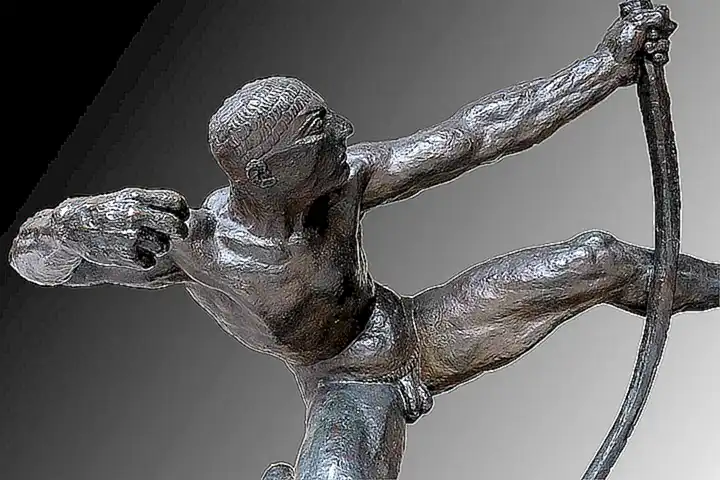

El mármol, como material para la escultura, adquiere una importancia central en la historia del arte occidental. Sus cualidades particulares lo convierten en un instrumento perfecto para reproducir con precisión el aspecto humano, permitiendo a los artistas plasmar realidades humanas con una fidelidad asombrosa. La precisión y realismo de esta material se ven reflejados en obras icónicas que marcan el registro de la representación del ser humano. Estas realista esculturas de mármol son testimonio de técnicas esculturales meticulosas, requiriendo un trabajo complejo que apenas algunos artistas poseen la habilidad para lograr.
Un ejemplo palpable de esta precisión y maestría es la obra «Cristo Velado» de Giuseppe Sanmartino, considerada una joya del arte. La representación del velo con realismo y detalle es tan impactante, que su ejecución en mármol representa el ápice de la escultura de este material. No pocas obras destacan por su hiperrealismo, como las esculturas de Antonio Corradini y Francisco Queirolo. Su capacidad para capturar la esencia humana a través de su trabajo en la representación del abandono del pecado con inteligencia, deja huella en la historia del arte.
Si bien existen ejemplos notables de realismo escultural basado en el mármol, otros artistas han sabido llevarles al siguiente nivel. Obras como «Rapt del Proserpina» de Gian Lorenzo Bernini, un testimonio de la habilidad de manipular tanto la dureza como la delicadeza del material, o la «La Virgen del Velvo» de Giovanni Strazza, muestran la capacidad de fusionar la resistencia de este material con una sensibilidad artística. Obras que no solo demuestran la complejidad y maestría de los artistas, sino también la capacidad de crear piezas icónicas y que cautiven a los espectadores por su belleza e impresionante realismo.
Material y realismo

El mármol, como material para la escultura, se destaca por su realismo escultural. Su estructura natural permite una representación precisa del cuerpo humano, su dureza y porosidad permitiendo una fiel imitación de la textura y los contornos de la anatomía. Sus cualidades lo han hecho un material ampliamente utilizado en la historia del arte para la creación de esculturas monumentales y de alta calidad.
En particular el mármol ofrece gran versatilidad a los artistas, ya que permite la representación de una variedad de realidades humanas con realismo brutal. Al manipular este material a través de técnicas tradicionales como la talla, los escultores pueden crear copias exactas de las formas del cuerpo humano, incluyendo detalles y texturas. La habilidad de los artistas se refleja en obras como «Cristo Velado» de Giuseppe Sanmartino, obra maestra que representa una ejecución meticulosa del velo con gran precisión y realismo.
Más allá de la representatividad, el mármol brinda a los escultores la oportunidad de experimentar con diferentes técnicas y acabados para lograr su visión artística. Esta versatilidad a la hora de crear esculturas a partir de este material es lo que ha dado origen a obras icónicas que representan un hito del estilo escultural del material.
Precisión esctructura
La realista esculturas de marmol, con su precisión y estructura, representan una frontera artística en la representación del ser humano. Su uso constante por parte de diversos artistas ha moldeado el desarrollo de este estilo, llegando a ser un referente en la historia del arte. La característica esencial de las realista esculturas de marmol reside en su capacidad para capturar con fidelidad los detalles y formas del cuerpo humano, especialmente en la representación de personas.
La textura y las facciones de estas esculturas se ven influenciadas por el material y sus cualidades. El mármol es un material denso y duro, lo que exige una precisión excepcional en la talla de las esculturas. Las técnicas de escultura con este material requieren del conocimiento previo del material y la experiencia de los artistas para lograr resultados excepcionales. Por esta razón, su uso ha sido constante en distintas escuelas artísticas durante la historia del arte occidental, desde el Renacimiento hasta el siglo XXI.
La realista esculturas de marmol se ven influenciadas por la belleza y el realismo que ofrece este material a quien lo maneja, dejando una huella impresionante en la cultura artística a través de las generaciones.
Gran esculturas

Las realista esculturas de marmol, con su precisión y estructura, nos llevan a contemplar un universo de belleza y realismo que se manifiesta en obras icónicas. La habilidad del artista se refleja en cada detalle, desde la textura hasta las expresiones faciales, permitiendo una recreación de la humanidad de una forma casi natural y perfecta.
Estas esculturas no sólo son obras de arte, sino también testimonio de la dedicación y habilidad humana a través del tiempo. Obras que demuestran la maestría y la estética del pasado, como «Cristo Velado» de Giuseppe Sanmartino o la «La Modestia («La Pudicizia») de Antonio Corradini, nos muestran una capacidad asombrosa para representar el ser humano con realismo y precisión.
Más allá de las esculturas monumentales, la realista esculturas de marmol se utilizan en el interior del espacio para crear atmósferas e interrelaciones con espacios arquitectónicos. Su uso se extiende a la creación de esculturas con una gran profundidad simbólica, donde la representación es fundamental en nuestra comprensión del mundo y las personas.
Cristo Velado
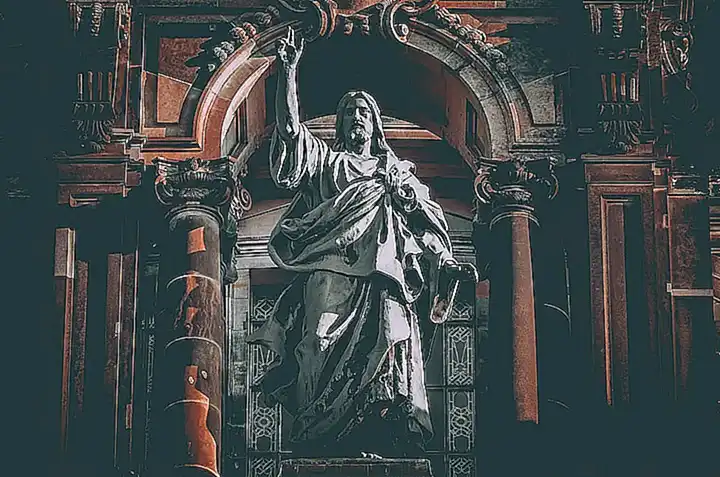
El «Cristo Velado» de Giuseppe Sanmartino, obra que ha dejado huella en el arte occidental, es un ejemplo perfecto de la maestría de la realista esculturas de marmol. Los detalles meticulosos con los que Sanmartino capturó la figura del Cristo se combinan con la composición y materialidad para expresar una visión profundamente religiosa.
Dejando de lado la representación literal de la crucifixión, este trabajo no solo representa la belleza de la anatomía humana, sino también una profunda meditación espiritual. La precisión y realismo de Sanmartino en la creación del «Cristo Velado» abren un espacio para la reflexión y el diálogo con la religión y su influencia en la expresión artística .
Esta obra maestra nos invita a contemplar la vulnerabilidad y el sacrificio de Jesús, y su representación a través de la realista esculturas de marmol nos permite comprender mejor la importancia y el impacto del mensaje central en la historia.
Lavar lana suavemente es crucial para conservar su abrigo y evitar daños. Para hacerlo correctamente, es esencial leer la etiqueta de cuidado que incluye cada prenda. Laver lana es un proceso integral que incluye remover el exceso de suciedad con un cepillo suave antes de lavar y secar, como se detalla en la información detallada sobre la limpieza de la lana. Evite usar agua caliente o lavadora sin nunca mezclar con otros productos.
Otras esculturas
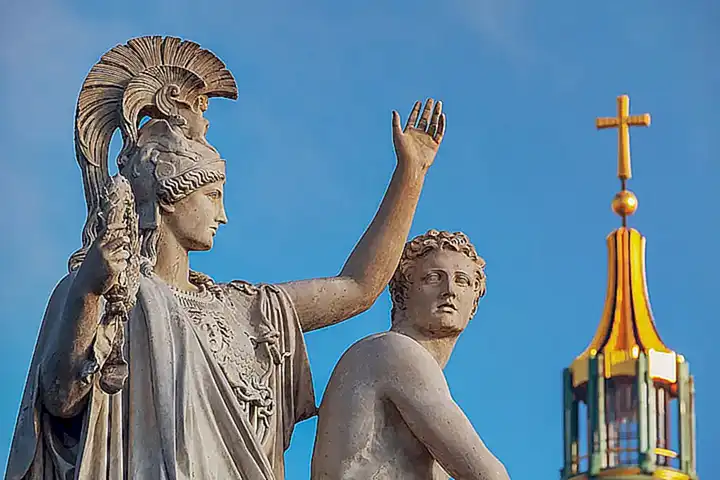
La realismo esculturas de marmol no se limita solo al «Cristo Velado», dejando un legado significativo en la historia del arte con obras icónicas que resuenan con el tiempo. Otras esculturas de esta material, como «Desengaño» de Francisco Queirolo o «La Modestia («La Pudicizia») de Antonio Corradini, muestran una capacidad de representación humana a través del arte realista. Ambas esculturas representan el abandono del pecado con inteligencia, utilizando la realista esculturas de marmol para transmitir una idea espiritual a través de su forma artística.
El uso preciso de la escultura con este material se ha realizado en diferentes contextos, desde grandes monumentos hasta pequeños esculturas. Estas obras no solo demuestran el dominio técnico de los artistas, sino que también exploran diferentes temas a través del arte. Al final, estas piezas icónicas nos dejan con una reflexión sobre la belleza, la naturaleza humana y la evolución del arte a través de los años.
Exhibición de hiperrealismo

Works that showcase the hiperrealist escultura de marmol, in which they’re given to us with detail and precision, leaving an impact on us even after years gone by. Works like «La Modestia («La Pudicizia») de Antonio Corradini y «Desengaño» de Francisco Queirolo, representarnos a un nuevo camino de arte que explora la espiritualidad del ser humano.
Corradini’s “La Modestia” or “The Modesty”, while not an overtly religious piece per se, uses traditional methods and techniques of sculpture to express grace and humility using the hiperrealist escultura de marmol.
Queirolo’s work on «Desengaño» utilizes hiperrealism of form to demonstrate a change in how we’re understanding human nature. We can see this reflected through the use of marble, showcasing the physical characteristics and expressions to depict emotions like grief in a very detailed manner.
The use of hyper realism on works as these has brought back an aesthetic which highlights our own humanity by examining and representing our everyday thoughts and feelings.
Hermafrodito durmiente

Gian Lorenzo Bernini’s «Hermafrodito durmiente» is not only an example of the hiperrealist nature of marble sculpture but also a powerful symbol of artistic ingenuity and technical prowess. The artist’s careful use of perspective adds more depth to the subject, leading us deeper into his world, creating an immersive experience that allows us to truly understand the character.
This piece is not simply about beauty; it uses the medium itself to tell stories. The sculptor skillfully used marble’s natural veining and texture in a way that allows for greater complexity on the surface.
However there is also room for discussion of Michelangelo’s “David”, a work considered as a paradigm of hiperrealist sculpture, showcasing the classical Greek ideals. It presents a strong example that has impacted art history, leaving its mark even today and changing generations of artists across the global scene.
La Modestia («La Pudicizia»)
The subject of Antonio Corradini’s «La Modestia» or «The Modesty» is a poignant study of hiperrealism in sculpture, capturing not just physical form but also abstract human traits. Unlike the traditional use of marble sculptures focused on religious figures, Corradini’s work delves into a more introspective exploration of the themes of sin and redemption.
Through his carefully crafted forms and intricate detailing of anatomy, he reveals a vulnerability in the portrayal of the subject that resonates with viewers even centuries later, and explores the human condition. The piece has transcended its artistic origin to serve as a lasting testament to the power of sculpture – not for fleeting aesthetics but rather to provide enduring reflections about humanity.
It’s worth noting this is just one example, there are countless other works by artists that explore these themes through this medium – each offering a new perspective on how we interact with art. Corradi’s «La Modestia» stands out as it pushes the boundaries of classical representation to create something both timeless and distinctly relevant.
«Desengaño»
Francisco Queirolo’s “Desengaño” is a testament to the power of hiperrealism in sculpture, utilizing the material’s inherent qualities to not only evoke emotion but also challenge our understanding of human nature.
Instead of simply depicting physical attributes of man’s body, Queirolo employs techniques of perspective and realism – elements that are highly prominent in his work with marble, allowing artists an entirely new dimension of artistic expression. His sculpted «Desengaño,» depicts an individual’s emotional internal struggle over the idea of redemption with subtle cues that only a keen eye can discern.
Through such meticulous detail and anatomical precision, “Desengaño” invites us to reconsider our own perspective on human behaviour. It’s here we see a shift in the use of sculpture – it is about more than just aesthetics and forms; rather an act of introspection that challenges and ultimately reshapes how humans interact with the world around them.
Rapt del Proserpina

Gian Lorenzo Bernini’s Rapt del Proserpina stands as a landmark accomplishment in hiperrealist sculpture, demonstrating the power of this art form to bridge a chasm between artistic expression and human experience. The composition transcends chronological boundaries; it’s both profoundly timeless and remarkably relevant even centuries later .
The way Bernini captures the scene is masterfully done by studying the subject matter of the story: Proserpina being abducted by Hades, creating an almost surreal quality to it that allows for much interpretation and discussion about art. The marble serves as a canvas allowing the sculptor to not only portray emotion but also capture a tangible, realistic image.
Though «Rapt del Proserpina» uses classical figures in its narrative, the result is far more than a simple reenactment of Greek Mythology; it challenges the traditional use of realism by pushing into new territories and questioning what constitutes beauty and what constitutes truth itself.
It remains an example that not only reflects artistic ingenuity but also allows us to ponder on the very idea of art itself; how does this form of physical representation, sculpted in marble, become connected and meaningful to our own lives?
La Virgen del Velvo

The «La Virgen del Velvo,» by Giovanni Strazza, exemplifies the profound impact of hiperrealism in sculpting. It transcends a mere depiction of religious figures; it delves into exploring humanity’s connection to faith through the medium of marble.
Strazza’s «La Virgen del Velvo» explores not only the physicality of the subject material as seen on the surface, but also how its execution can capture the essence of faith in a powerful way – something that transcends mere aesthetics and allows for spiritual reflection. With remarkable attention to detail and anatomical precision, he captures Proserpina’s suffering during this terrifying abduction – the struggle being depicted with emotional intensity.
The piece uses material and form as instruments meant to be explored: materiality serves as more than simply a surface or a stage on which to tell stories—the marble becomes a conduit for expressing deep artistic and spiritual emotions. «La Virgen del Velvo» is an exploration of the power of human emotion, allowing the viewer to connect with their own spirituality through a timeless piece.
It offers more than just pure aesthetic appreciation; its impact rests on bridging the gap between art and life, encouraging us to ponder our own beliefs.
Note: It’s highly impactful to read about how sculpture affects people – not purely for beauty – in places like a museum or gallery.
Conclusión

In conclusion, hiperrealist sculptures, exemplified through artists like Corradini and Strazza**, are powerful tools for conveying complex spiritual themes and human emotion. These pieces aren’t just about aesthetics – they engage us on a cognitive and existential level. They challenge how we perceive beauty, faith, and humanity itself – urging us to think outside the traditional notion of sculpting in terms of mere visual appeal.
Beyond art’s tangible presence, these works stand as timeless reminders of how human spirit transcends time, allowing for reflection that extends far beyond conventional artistic expression.
The most impactful parts of the sculptures often stay with us long after we leave a gallery—not simply because they depict beauty – but because they have the power to inspire thought and deeper understanding.