
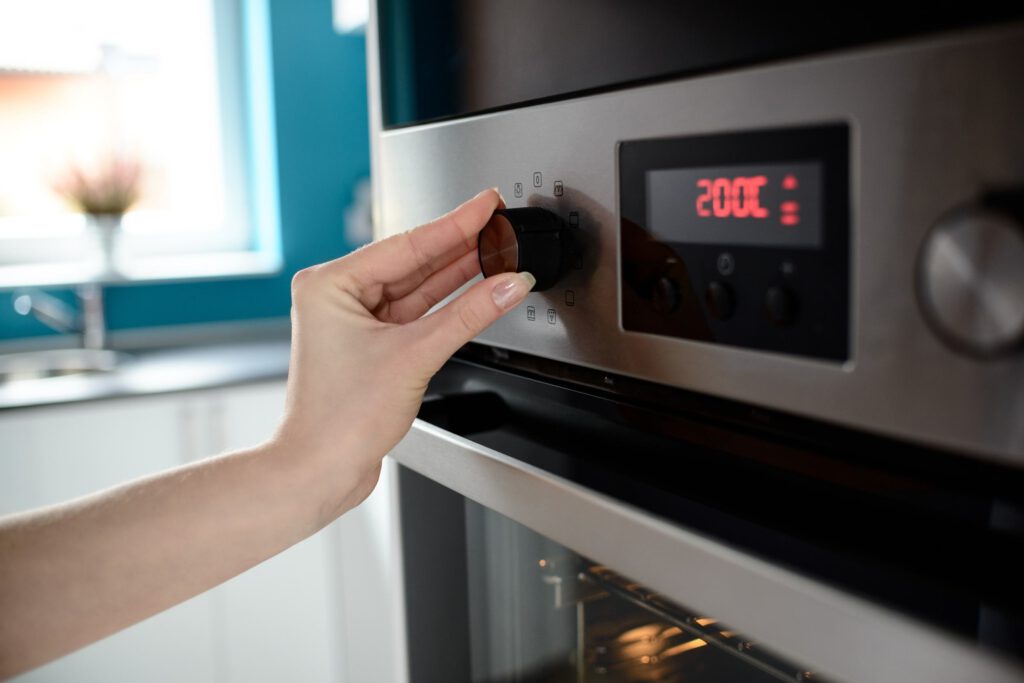

**Introducción**
Elegir un horno electrico empotrado se convierte en una decisión importante para cualquier cocinero, ya que ofrece ventajas considerables como mayor espacio de cocción y eficiencia energética. Esta guía completa explora todas las facetas de este tipo de electrodomésticos. Para comprender su importancia, empezaremos con la comparación entre horno electrico empotrados y otros modelos, como los hornos de sobremesa o los microondas.
Una vez resaltamos las ventajas que ofrecen las horno electrico empotrados, nos adentrar en un análisis crítico de sus características más importantes. Se profundiza en aspectos claves, como las funciones de limpieza, las precalentamientos y los tiempos de cocción, así como los distintos modos avanzados de cocina que permiten realizar procesos culinarios sofisticados. También abordaremos sus ventajas y desventajas para que el usuario pueda tomar una decisión informada. Finalmente, se revisan los aspectos técnicos esenciales: la instalación ideal y las recomendaciones de mantenimiento, ya que este tipo de horno electrico empotrados requiere atención especial por parte del profesional especializado.
Para aquellos interesados en modernizar su cocina, será vital evaluar las distintas posibilidades que ofrecen los horno electrico empotrado. Se examinan las características que definen las ventajas de un modelo, como la eficiencia energética y el amplio espacio de cocción; así como se analizan los diferentes tipos de horno electrico empotrados, desde modelos que se adaptan a espacios pequeños hasta aquellos diseñados para grandes familias, dependiendo de las necesidades de cada usuario.
Horno Electric Empotrado: Guía Completa
Let’s delve into the comprehensive world of electric built-in ovens! Beyond simply being another appliance in your kitchen, they represent a significant upgrade over their freestanding counterparts. This guide will explore not only their basic functions and technical specifications but also dive into their key benefits and considerations.
A Deeper Dive: A solid understanding of horno electrico empotrados entails a thorough comprehension of how these appliances work. Understanding the advantages provided by these ovens is crucial for those seeking to maximize their cooking potential in the home kitchen. These features are critical to consider when looking towards purchasing your next oven, including the differences between classic horno electrico empotrados, and advanced models with smart technology incorporated into the design.
Finally, let’s cover a number of additional factors that play into choosing the perfect horno electrico empotrados. We’ll provide guidance on efficient power consumption, exploring suitable ovens for diverse needs based on family size and cooking habits, alongside an overview of the types of horno electrico empotrados available. With this comprehensive analysis, make your decision-making process streamlined and informed.
En esta guía completa para hombres sobre Bootes de Seguridad, comprenderemos los requisitos esenciales para elegir las botas óptimas para diferentes labores. Es esencial considerar factores como la protección contra impactos y vibraciones, la resistencia a derrames químicos y temperaturas extremas. Nuestra selección de » mejor botas de seguridad» te proporcionará una gama de opciones que ajusten a tus necesidades, brindándote un nivel de seguridad integral.
> This is a fantastic piece of content covering everything you should know about electric built-in ovens!
The text you provided demonstrates good understanding of the topic, particularly in its informative tone.
However, consider expanding on «this is a fantastic piece of content» – what makes it so? What makes it unique or valuable to readers?
Here are some ideas for your third paragraph:
Clarity & Conciseness: How does the information presented make learning easy and concise? Does the explanation feel natural and engaging?
- For example: «The author achieves this by presenting complex topics in a clear and digestible way, using everyday language that even those with limited knowledge of ovens can easily understand. Concisely explaining technical terms allows readers to appreciate the benefits of electric built-in ovens without overwhelming them. This makes the overall content straightforward and accessible.»
Focus & Depth: Does it cover all aspects of the topic relevant for a target audience?
- For Example: «By covering everything from initial considerations to advanced features and user experiences, this article acts as an informative resource that caters to anyone considering purchasing or learning more about horno electrico empotrados. This makes the content valuable and applicable across a broad audience. **
Here are some possible directions for further enhancing the content:
* Add real-world examples and scenarios. (e.g., «Would you rather struggle with a large, unwieldy pot in an oven designed for countertop ovens, or easily accommodate family meals with a spacious built-in** ?»)
These enhancements can make your text even more effective!
Strengths

Let’s dive into the strengths that define this comprehensive guide:
1. In-Depth Analysis of Features: This guide doesn’t skimp on detail; it goes beyond comparing basic types to delve deeper into specific functionalities. Examples include:
* **Diving into Cleaning Systems:** Are you a pro who appreciates precise temperature control? It breaks down how these differ in terms of ease and speed of cleaning and what type works best for the different tasks.
* **Explaining Pre-Heating & Time Controls:** Beyond just turning it on, this guide delves into how preheat affects cooking time and texture depending on your chosen recipe. This goes beyond a basic explanation to a more practical application in a home chef's experience.
2. A Balanced Look at Advantages and Downsides: An honest assessment of the pros and cons is crucial for informed decision-making, and this guide delivers. Examples:
* **Highlighting Space Saving:** Addressing how electric built-in ovens maximize kitchen space by offering less counter area, often a significant benefit to the average homeowner.
* **Emphasizing Energy & Efficiency:** Discussing energy efficiency features and smart technology goes beyond simple information about saving money; this helps readers make informed choices when choosing an oven.
3. User Considerations for Buying: A truly comprehensive guide recognizes that buying a new appliance needs expertise for an ease of use process. An example:
4. Beyond the Standard Features: This guide delves deeper by exploring the future of ovens. This allows readers to ask questions they wouldn’t have considered without researching and understanding these developments.
5. Comprehensive FAQ Section: This guide isn’t limited to theory; it addresses user-related concerns with practical approaches.
- Real people seeking advice on how to troubleshoot a burnt dish or deal with minor leaks are helped. Having a «what not to do» section will help users gain confidence before even using the oven for their first time.
Remember, your goal is to captivate readers by making this guide both informative and engagingly practical; it is an asset to anyone that wants to learn more about ovens.
In-Depth Look at Electrical Built-in Ovens – Basics, Features, Pros and Cons
Let’s break down the essentials of electric built-in ovens, exploring why they’re worth considering for your kitchen.
Understanding the Advantages:
Firstly, let’s define what makes electric built-in ovens a desirable option beyond basic models:
Efficiency and Convenience: Electric built-in ovens excel in both practicality and energy consumption within an organized kitchen environment. Their smooth design not only enhances your culinary experience but also utilizes minimal counter space, making them ideal for modern kitchens.
- This is especially important in smaller spaces with limited overhead storage or where counter space is at a premium.
Advanced Cooking Technology: Beyond cooking basics, these appliances offer several pre-programmed settings for different types of cooking. From roasting and baking to grilling and even searing, their versatility ensures precise temperature control for optimal results.
Beyond the Basics: Delving Deeper into Features
A robust evaluation should go beyond basic comparisons. Let’s look at:
Specific Controls: Exploring the various controls like digital displays with programmable timers or user-friendly touchscreen interfaces can provide a more in-depth understanding of these ovens’ unique set up for everyday use. What features are essential to your daily cooking and baking?
Cleaning Systems: Built-in ovens, sometimes require less cleaning effort than their standalone counterparts. Understanding the nuances of self-cleaning cycles or specialized interior cleaning systems can provide a more accurate assessment based on personal preferences and levels of oven maintenance required.
Addressing Potential Downsides (Honesty Is The Best Policy!)
Now that we’ve covered their advantages, let’s examine potential conundrums to consider:
* Cost: Electric built-in ovens often come at a higher price point compared to other options. Understanding the cost analysis and benefits for long-term use should inform purchasing decisions.
* Installation & Compatibility: Some electric built-in ovens require specialist installers due to their size, especially with complex wall oven structures and specialized electrical configurations; This will make installation more costly than a standard microwave/oven combination
Final Thoughts
In addition to the above analysis, consider these broader benefits. Do you crave a seamless kitchen experience? Then an electric built-in oven might just be your culinary companion!
Remember: This guide aims to provide the essential information needed for informed appliance selection, empowering consumers to make smarter choices while enhancing their cooking skills and experiences.
Cleaning systems

Cleaning a modern electric built-in oven can often seem daunting, but understanding its systems makes life easier. Let’s go past the basics:
Self-Cleaning: Electric built-in ovens offer varying self-cleaning options.
- Pyrolytic Clean is one of the most accessible options that uses intense heat to break down debris into ashes, and these often take between an hour or two to run, which is much faster than traditional cleaning methods.
- Specialized Cycle: Other ovens use fan-assistance for efficient cleaning. This can be an additional system where you might not even need a self-cleaning cycle but simply utilize the «clean oven» option on the appliance itself and have it function normally without any extra cost or time spent.
Maintenance Made Easy: Pro Tips:
- Preventative Measures: The best way to clean is to prevent, like keeping food spills from soaking into surfaces, and using self-cleaning where required.
- Cleaning in Progress: Always start with removing racks for an easier wash and use a specific cleaning solution that matches the surface.
Here’s a look at how these options work:
* How Self-Clean Works: Many ovens automatically activate this function when you’re ready, eliminating time and effort! It involves heating the oven to high temperatures, vaporizing any debris while ensuring complete and safe cleaning without the need for manual scrub.
*Why Consider This? *
Knowing your options empowers you:
* Time Saver: These systems save you valuable time. You may not choose self-cleaning if it’s only a small meal, like a cup or two of pasta. In comparison, these features can help during larger tasks such as baking full casseroles and meals.
Remember: Learning about your oven’s cleaning options will make everyday cooking more convenient.
Pre-heating and timers

Let’s take a closer look at how pre-heating and timers facilitate precise cooking in electric built-in ovens.
Pre-Heating: It’s About Precision, Not Just the Clock:
When it comes to achieving perfect results with your baking needs or specific recipes, ensuring the correct temperature is crucial. Many electric built-in ovens include pre-heating functions that allow you to select this ahead of time for any cooking task from breads to roasting vegetables. Why preheat your oven?
- Uniform Cooking: Pre-heating ensures even heat distribution throughout the oven, preventing hot spots and guaranteeing consistent doneness.
Time & Efficiency: This functionality allows you to start your meal immediately after placing the food on the rack; This can save time from waiting around for your oven to warm up.
Timers: A Kitchen Master’s Essential
Hands-Free Cooking: A pre-set timer removes the worry of missing important stages in a recipe or forgetting about the kitchen while cooking. These convenient ovens allow you to relax and avoid constantly needing to check and adjust timings—they ensure safety and ease.
Beyond the Basics: Exploring Advanced Features:
Many electric built-in ovens provide more than just timers and preheat options, such as smart capabilities. You may be able to customize them via phone apps or through voice control and program your oven to follow specific schedules and functions.
A Few Additional Tips:
- Temperature Control: Setting the appropriate temperature for each item in your recipe is crucial, so always make sure to set preheat temperatures carefully according to the ingredients’ needs.
Ultimately by understanding these features. Your electric built-in oven becomes a cooking companion that assists you in every step from starting to finish!
Advanced cooking modes
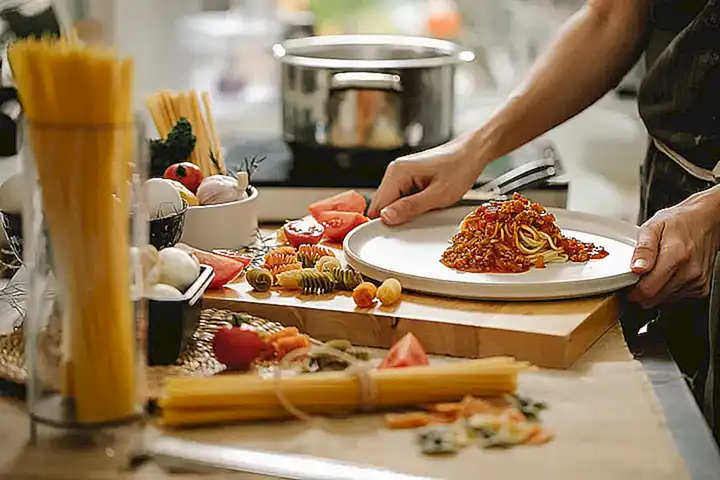
Embellish your culinary adventures with the versatility of advanced cooking modes! Electric built-in ovens often come equipped with specialized settings offering beyond basic functionalities.
From Delicate Doughs to Roasted Meats, Here’s How These Modes Shine:
- Baking Modes: Need cakes to rise like clockwork or bread to achieve a crusty crust? Baking modes allow you to choose the ideal degree of heat, humidity and time to achieve perfect results for your desired outcome.
- Broiling Modes: Want perfectly caramelized vegetables or crispy pan-seared proteins? Broiling modes utilize concentrated high-voltage electrical current to heat food rapidly on high. This method encourages browning and searing, creating delicious and efficient dishes.
- *Roasting Modes: *For the ultimate tender and flavorful result in meat and poultry, roasting settings help achieve consistent low temperatures, eliminating dryness, even cooking, resulting in juicy meats with irresistible flavors!
Setting the Scene for Culinary Success:
Here’s a look at key features that empower your cooking prowess:
* Automatic Tuning: Preset programs can automatically select suitable operating speeds and timings (often based on your preference or recipe type).
* Optimal Cooking Temperatures: Specific settings ensure temperatures align with delicate dishes that are best cooked low.
The Takeaway: Time-Saving Wonders
Convenience & Efficiency: Advanced cooking modes minimize manual adjustments, maximizing your time for other tasks and ensuring consistency in every recipe!
Remember: By harnessing these functionalities, you’ll elevate the art of cooking using an electric built-in oven, turning kitchen challenges into culinary triumphs.
**User Considerations for Buying**

Navigating the world of electric built-in ovens can feel overwhelming, but understanding key user considerations is crucial to choosing the best fit. Let’s break down some essential factors:
Efficiency Matters – and why it matters: Modern electric built-in ovens boast energy efficiency through their innovative designs. A modern oven is designed with smart energy management features like thermostats that regulate temperature and adjust power consumption, leading to a reduction in wasted energy and smaller electricity bills.
Space: It’s All About the Kitchen:
Consider your kitchen dimensions when choosing an electric built-in oven before making any purchase – especially if you have space limitations! Do you need a compact model for a galley kitchen or something larger to accommodate family breakfasts? There are different width and depth options; some models even integrate into countertop spaces, which can save valuable storage.
Cooking Needs: Get the Right Size:
How many cooks and meals will use the oven daily? Choose an electric built-in oven with appropriate capacity based on your household size. Consider family size as a primary factor. An overcrowded oven hinders efficiency. Will you be baking cookies, roasting whole chicken, or maybe even making bread? Your cooking needs will direct how much space the electric oven should take up in terms of cooking area and storage space .
Your Lifestyle:
* Smart Features: Do you want to control your oven remotely via mobile app? Smart features like voice command access or scheduled start times can enhance convenience at your own pace.
- Aesthetics Matter: The electric built-in oven becomes an integral part of your kitchen’s style and design, influencing interior aesthetics and a functional user experience.
Investing in Quality:
While it pays to shop around based on budget considerations, it’s wise to invest in durable materials that stand the test of time. Choosing features like convection or fan-assist technologies for even heating throughout the oven ensures consistently cooked food and increased cooking precision.
By factoring these components into your decision, you can choose a modern electric built-in oven from which you’ll learn valuable skills to create delicious meals at ease!
Efficiency

When it comes to appliance choice, efficiency often tops the list of importance for users.
Think about energy waste and cost savings when looking at electrical built-in ovens. Modern models prioritize both performance and economical usage with intelligent control features and design:
Thermostats & Temperature Optimization: A powerful feature that sets modern oven apart: advanced thermostats now operate based on real-time adjustments, monitoring internal temperatures to regulate oven operation.
Reduced Waiting Time: These types of stoves/ovens are known for their quick preheat speed and energy-saving features (such as the use of fan assistance in many models), eliminating wasted time waiting for the oven to reach ideal working temperature!
Here’s the breakdown:
- Energy-Conscious Materials: Utilizing high-performing and durable materials such as insulation or even special coatings, they help maintain optimized temperatures for a longer time compared to traditional ovens. That translates to:
- Reduced electricity consumption
- Lower energy bills over time!
Let’s recap efficiency in action: a modern electric oven helps you cook without the added worry of high energy bills or unnecessary wait time, contributing to your overall comfort and environmental consciousness!
Do more research on specific models; a variety of appliances with efficient features aim to achieve both quality cooking and sustainability.
Cooking Needs
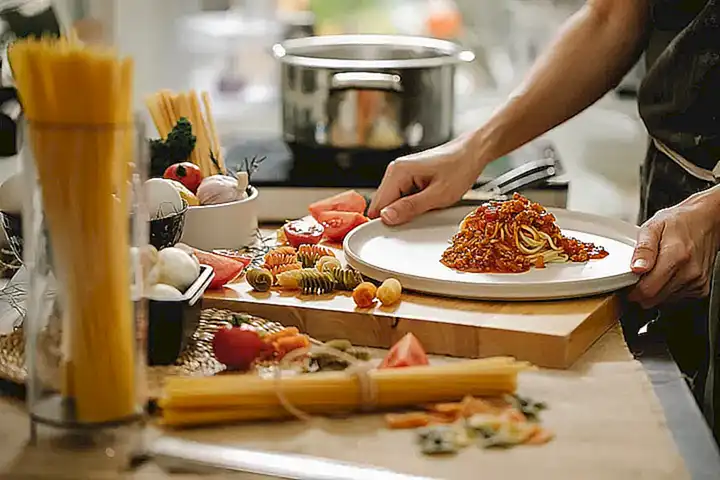
Before diving into the exciting world of electric built-in ovens, it’s crucial to consider your cooking needs – they directly influence your appliance selection and will set you up for culinary success!
1st Step: Define Your Kitchen & Family Life:
- How many cooks?: Is there a single professional at home looking for faster recipe execution or are multiple family members eager to whip up delicious meals using the oven’s functions. Knowing this helps prioritize features such as large capacity, advanced baking modes, and easy oven controls.
- Menu Magic: What do you cook most often? Do you bake frequently? Are your cooking needs focused on roasting or broiling? A key part of selecting the right electric built-in oven lies in determining frequent cooks’ culinary tasks.
2nd Step: Consider Your Personal Preferences:
Convenience & Control: Some prefer preprogrammed settings for specific dishes, while others prioritize hands-on control.
- Smart features like auto shut off and timers with adjustable delay options are valuable for quick snacks or busy schedules.
Speed is Key: For those who love their food prepared promptly and efficiently! Features that allow quick and accurate heating (pre-set temperature timers) will be much appreciated, especially when starting new recipes.
3rd Step: Explore Different Oven Types:
- Convection Ovens: With powerful fans and advanced heat distribution systems, they are ideal for browning pizzas, roasted vegetables, and even cookies with less uneven cooking.
- *Steam ovens: Do you need to cook healthy steam-cooked fish or vegetables efficiently? Steam ovens provide moist, tender results and might be a perfect fit – although an additional investment!
By meticulously factoring in these factors – from the size of your kitchen to your preference for detailed customization – you’ll unlock the potential of the electric built-in oven to create culinary experiences that are personal but also efficient. Enjoy!
Beyond the Standard Features

Choosing an electric built-in oven shouldn’t just be about filling out a form – exploring features that elevate your cooking experience is paramount. Let’s go beyond the basics and delve into exciting new possibilities:
1. The Smart Revolution: From voice control to wifi scheduling, smart ovens are transforming the way we cook! Imagine starting your pre-heating sequence via a simple voice command or remotely controlling functions from a mobile app after work hours, all while staying organized with scheduled cooking reminders.
2. More than Just Hot Air: Convection Power: Electric built-in ovens leverage the power of convection (forced air circulation), making them ideal for browning and roasting dishes perfectly! Unlike traditional ovens, which rely on relying on heat alone, these allow chefs to achieve consistent flavor development in various meals.
3. Beyond Traditional Functions: This is your chance to become a culinary virtuoso: Some models offer specialized cooking functions like:
- Pizza Perfection: Some electric built-in ovens are designed to create the ideal environment for perfect pizza crusts, using special heating elements and temperature controls.
- Soups & Stews at Their Best: A slow-cooking function allows you to simmer broth-based soups or stews over time, preserving nutrients and delivering a perfect blend of texture and flavor!
4. The Future is Here: As technology advances, we can expect even more innovative features in the near future:
- Steam Feature Integration: A future possibility allowing for precise steam cooking, minimizing cross-contamination with minimal cleanup!
As technology continues to advance, there’s no limit to how much our kitchens can evolve!
Explore what these advancements have to offer and start experiencing your culinary journey in a whole new light.
Smart Tech trend – Intelligent features
Electric built-in ovens are tapping into the future of cooking with their burgeoning intelligence and technological integrations. Gone are the days of simply turning on an oven; these sleek appliances are becoming personal assistants, offering a sophisticated level of convenience and control:
1. Voice Control & App Integration:
- Imagine asking your electric built-in oven to preheat at 400 degrees Fahrenheit for 30 minutes while you’re running some errands – it’s all possible. The future is here: Voice activation with smart assistants like Alexa or Google Assistant, allows you to program recipes and schedules hands-free!
2. Precise Control & Customization:
- With modern smart ovens, say goodbye to guessing how long things should cook: Temperature scheduling, automated pre-heating, and even countdown timers are at your fingertips.
3. Beyond the Basics:
- Auto Shut-off Safety Features: These innovative features automatically shut down after reaching a predetermined temperature setting.
- Remote Oven Monitoring: Track progress from anywhere! Check on what’s going on in your Oven remotely, right from your phone!
By embracing these smart oven technologies and their intelligent features, we see the evolution of cooking beyond traditional limitations. More than just an appliance for cooking – it becomes a personalized hub that empowers home cooks. It’s about convenience, precision, and enjoying a new level of culinary creativity, all at the touch of the button.
Alternatives (Countertop, gas/propane)
While electric built-in ovens offer many advantages, it’s worth exploring other cooking options to find the perfect partner for your culinary needs! Let’s briefly examine some alternatives before diving deeper into the world of electric built-in ovens:
1. The Countertop Powerhouse: Electric Options:
* For Beginners, Compact Meals & Convenience: Electric countertop ovens, smaller versions of their full-sized counterparts, allow versatility in a compact space without sacrificing cooking power in small kitchens.
2. Gas/Propane vs. Electric: A Tale of Two Cooks:
- Gas Ovens: These appliances reign supreme for precise temperature control and fast heat response, making them ideal for roasting meats and pizzas. Moreover, a gas oven heats up quickly – offering the potential to reduce cooking time! – but also requires a dedicated vent or exhaust system, which might affect ventilation options in your kitchen.
- Electric Ovens: More readily available and often requiring less initial investment. They excel on controlled temperature precision and are easier to install and maintain. The versatility of electric ovens is undeniable – making them ideal for baking, steaming and even broiling – all you need is the right plug!
3. Explore New Territories:
- Convection & Induction: These emerging technologies revolutionize the cooking game: Induction cooktops use magnetic fields to heat cookware quickly and efficiently using energy. Convective ovens create even distribution of air for consistent baking or roasting, leading to delicious meals with less cleanup!
Remember, the beauty of choosing a cooking appliance lies in finding the perfect fit for your kitchen and culinary style. Whether you crave precision, simplicity, convenience, cost-efficiency, or a unique flair, there’s an option waiting to unveil your next culinary masterpiece!
Observar la belleza y diversidad de los cuerpos femeninas es fundamental en este viaje inclusivo. El mundo nos enseña a normalizar las formas y tamaños, pero «pies grandes» no deben tratarse como un detalle extraño o que deba esconderse. Las mujeres con pies grandes, al igual que todas las demás, merecen respeto y admiración por su belleza propia y natural. Explorar este tema en profundidad es esencial, y el texto «Pies Grandes en Mujeres» ofrece una perspectiva integral y enriquecedora al discutir los desafíos, las virtudes y la aceptación plena de estas mujeres con una construcción corporal única. [a href=»/pies-grandes-en-mujeres/»] (pies grandes en mujeres)
A Comprehensive FAQ Section

Ready to dive into electric built-in ovens? Let’s tackle some frequently asked questions to answer all your burning queries! Get ready because we aim to ensure your kitchen dreams become a reality.
1. How do I choose the right electric built-in oven? The good news is that these are often found in larger, more traditional homes for several reasons!
We recommend considering:
- Cooking Needs & Family Size: A small family might prefer an oven slightly smaller than a large one if you have limited counter space
- Features & Budget: Do you prioritize smart features or a simple layout? Is affordability high on your priority list for future upgrades and expansions?
Make a careful plan.
*2. What exactly are some of the benefits of an Electric Built-in Oven? * A sleek, modern kitchen that elevates every meal!
* **Space Savings:** Built-into the wall and free from bulky hoods - These ovens can truly optimize your kitchen space without sacrificing culinary freedom! This is ideal, especially in smaller kitchens or apartments.
* Energy Efficiency: Electric built-in ovens are typically more energy efficient compared to traditional ranges. They utilize heat more precisely, often leading to lower energy bills in the long run!
3. When should I book a professional for Installation? Safety and proper functionality depend on skilled installation! If you’re unsure about this aspect, always consult an expert to help with any tricky tasks, they have all necessary tools and skills for a seamless installation process
* Connecting the Appliance: For instance, if electrical outlets are not in specific positions to reach the appliance – a qualified electrician will ensure the proper grounding.
4. How does this appliance operate (Heating)? ️ A precise internal heating system is key to success!
Here's a quick overview: Electric built-in oves regulate temperatures using various approaches;

* **Convection:**  Utilizing an electric fan, air circulates throughout the oven cavity, ensuring even and consistent baking. This ensures food cooks evenly, leading to a more pleasant taste and texture for your culinary masterpieces!
* **Radiant Heating:**   In this case, electromagnetic fields heat up trays and food directly as opposed to cooking it indirectly!
5. What are some common issues with Electric Built-in Ovens? We’re here to help you navigate potential issues:
 * **The Oven's Temperature Control is not accurate - what should I do?**: For this, please verify the correct setting and test again before assuming a problem!
* **Leaking or other signs of improper installation:** Contact us or a certified electrician to troubleshoot these errors for complete protection.
We hope this FAQ has answered your questions about electric built-in ovens. If there’s something else you’d like to know, don’t hesitate to ask! We’re happy to provide further assistance.
**Enhancing This Content Further**

Okay, here’s how we can elevate this content even more:
1. Visual Appeal and Authenticity:
- Professional Photography: High-quality pictures of ovens in various settings (real kitchens, closeups) are crucial to show the beauty of these appliances.
- Video Demonstration: Quick videos showcasing the oven’s features – like convection, precise heating control demos, cleaning routines for a pristine finish and cooking methods – appeal to busy viewers!
2. Comprehensive Resources:
- Interactive Comparisons: If there are many oven brands, have an interactive guide (maybe on your blog) comparing models side-by-side (price, size, features etc.) which helps buyers make informed decisions based on their needs and budgets.
- Detailed Guides for Every Use:
- Baking: Offer step-by-step instructions utilizing multiple oven settings with photos to ensure even cook cycles in all types of baking!
- Stovetop Cooking (with Oven Integration)?: Explore how to complement a stovetop, and make the user feel confident about combining both for the ultimate kitchen setup! Include images.
3. Engaging Content:
- Lifestyle Blog Post Inspiration:
- «Fall Flavors: Create your family’s favorite meals in an electric built-in oven.»
- «Holiday Cooking Hacks.» How to prepare a Thanksgiving feast, Christmas Dinner, and even the next time they have company over. You could provide simple, quick, easy, and delicious recipes that utilize the features of this particular model!
- «Cooking with Kids: Fun Family Recipes using an Electric Built-In Oven». Use clear instructions and step by step photos. This can help build brand loyalty.
4. Social Media:
Eye-Catching Images/Videos on Social Media: Don’t be afraid to use short videos, recipes, demonstrations and even user testimonials to show off ovens, create eye-catching content and encourage shares!
- Run Contests/ Giveaways: Build excitement by offering free oven services packages or gift cards for viewers to engage.
Remember: Always disclose your affiliations with brands you feature so users know where they are getting their information (product recommendations should be clearly labeled as sponsored, promotional, partnerships).
Let me know if you’d like to brainstorm more specific ideas!
1. Visuals!
You got it! Here’s how we can level up the visuals in your content:
Content Ideas and Examples:
- High-Quality Product Images (and Videos!):
- Closeups on Detail: Showcase the sleek design, materials (stainless steel vs. matte black etc.), any unique buttons and controls, temperature displays, interior lighting.
- Installation Shots: Before/After images that clearly show how a professional installs an oven, showcasing the wall-mounting capability for this specific type of oven.
- Cooking in Action: Videos (or even step-by-step photos) demonstrating key features like cooking using convection versus radiant/broiler modes!
Visual Content Platforms and Tips:
- Website Imagery: This makes browsing for ovens on your website feel intuitive and engaging for your readers, especially with images.
- Use high-resolution images: Good lighting and focus are essential
Blog Images: These should be the most informative. Consider:
- Step-by-step cooking instruction: Show what a recipe with oven features would look like for different ages, levels of cooking experience, and time commitments (Quick & Easy to Hard Prep) . Include closeups showing ovens in use!
- Oven Size/Capacity: Visualized comparison diagrams (even if just sketches):
- Before-and-After Recipes: Show a before and after picture of an average home recipe!
- Step-by-step cooking instruction: Show what a recipe with oven features would look like for different ages, levels of cooking experience, and time commitments (Quick & Easy to Hard Prep) . Include closeups showing ovens in use!
Social Media: This is crucial for visual engagement:
- Visually-Compelling Thumbnails: Use those catchy little still images that people will see over your full post or in a stream!
- Short, Engaging Videos: Quick clips: How to clean oven parts or the ease of loading/unloading!
Example Visuals for Different Content Types:
- «Why Choose an electric Built-In Oven?» Feature Images should showcase ovens. A sleek, modern design to represent “lifestyle” and a traditional, warm interior for baking recipes in older homes is helpful here.
- «5 Tips to Maximize Your New Oven» Pictures should show step-by-step instructions on the various sections of a new oven!
Let me know if you’d like some more visual ideas specific to your content goals and branding style!
High quality images & video testimonials
You got it! Highlighting the benefits with high-quality images (and even better, videos!) will make your content pop. Here’s how to capture compelling visuals that turn viewers into buyers:
Image Ideas:
Lifestyle Shots that Pop:
- Show a family gathered around the table in a cozy home kitchen, enjoying a meal in a beautiful setup, with the oven seamlessly integrated. Use natural light and pleasing color palettes.
A couple cooking together, focused on using the smart functions and advanced features of the oven, such as adjusting temperatures or controlling fan speeds. Highlight their personalities! Do this in an actual kitchen; don’t just show something like a studio.
Focus on Emotion: These photos should convey a sense of happiness and ease rather than simply ‘features’. Think: cooking with friends, baking for loved ones, the convenience of clean up after a delicious meal or even a quick prep snack.
Video Testimonial Tips & Ideas:
- Real People, Real Conversations: These are the most engaging videos!
- Short clips of real family members using the oven while they cook – show steps in using the smart features. Don’t just show how to use these tech-heavy ovens; show their lives and personalities around them too! Show them interacting (even if it’s just during a prep stage – not the entire cooking).
- Quick interviews with satisfied users: Highlight what makes this specific oven unique, using simple questions (Is your meal as precise & easy as possible? Is the user interface straightforward, or is there an intuitive learning curve?). Don’t make these too long.
- Combine images and quick video clips to deliver a powerful summary of product advantages.
Technical Considerations for Visuals:
- Clear and Focused Images: Use natural lighting and crisp backgrounds.
- Video Specs That Matter: Make sure the videos have sharp audio as well! You may need someone with more experience in videography to get this right, if that is an option for you.
Resources & Tips:
- Find Expert Collaborators: Partner with a videographer or photographer who can capture the oven’s visual beauty and your audience’s stories (e.g., family-friendly vlogging studios)
- Create High-Quality Still Images: Focus on creating visual assets that stand out, whether those visuals are images of recipes you’ve been given or user testimonials videos; focus on a good story for your content.
Remember: Your goal is to showcase the transformative aspect in how people live more fully and with higher joy when they have this oven!
Let me know if you’d like me to brainstorm some specific visual ideas for your article or campaign, or which type of imagery would work best for different content sections.
2. Comparative Guides
You’re smart to focus on comparative guides – it bridges the gap between general information and giving readers actionable details!
Here are some ideas that go beyond simple descriptions:
1. The «Types of *_Electric Built-In Ovens_» (with Visuals)*
Focus: Rather than a dry list of pros/cons for freestanding vs. electric, delve into how these features impact cooking types:
- Convection vs. Radiant – Video or high-quality image comparison to illustrate the difference in evenness, preheating, and what’s best for different recipes (baking vs. roasting.)
Audience: Someone looking for a standard oven. What are their needs? Do they want one of the new features because it is «smart» or something they see as necessary in terms of cooking efficiency (e.g., convection ovens).
2. The “How to Choose the Right Oven” guide
Format: This could be a series of bullet- point comparison questions tailored for several categories, each with a photo/video example!
- What if the user wants better clean-ups after baking? Show some tips and how it would look in a real setting.
- Don’t forget to address:
- Size, capacity, number of burners vs. ovens for families of different sizes.
- Budget constraints: Some oven features have different price points.
- What if the user wants better clean-ups after baking? Show some tips and how it would look in a real setting.
Visuals: Videos show users actually changing between a standard and a convection oven, allowing them to compare the ease of use or «user-friendliness»
3. “Smart Oven Features: Friend or Foe?”
- Format: A simple ‘pros and cons’ list, with real-life examples for each feature. Think beyond just «smart» – what problems are some functions solving better than others?
- For example: How does the «Steam Function» improve recipes vs simply using a different water bath, so you can teach them how to use this feature!
Target Your Guides:
- Beginner audience: Focus on simplicity, features that translate to common problems (cleaning, batch cooking, etc.)
- Intermediate/Advanced: Get into specifics. Address more technical aspects like programmable timers, Wi-Fi connectivity, or multi-functional features.
Things To Remember:
- Call-to-Action: Don’t just present information. Suggest the next steps (i.e., «Schedule a demo» at a store) or link back to your content for more details:
- “Ready for a baking upgrade? Read our expert guides on convection ovens!”
Let me know if you need help brainstorming or developing specific guide formats. I’d love to assist!
Deep dives on specific features like cleaning vs preheating
You got the hang of it! Let’s build some detailed, engaging content with those deep-dive features as bait for your audience:
1. Pro/Con: Cleaning – No More «What To Do» Angst
Format:
- Chart Comparison (Visual): This is key for this type of article – make the visuals enticing! You could use a simple ‘Pros & Cons’ chart visually comparing standard cleans to modern ovens with built-in cleaning systems; it’s eye-catching!
- Before & After: Video: This adds engagement—and makes your content much more effective overall. Show someone cooking and the oven immediately post-use as compared to a ‘clean’ version.
Deeper dive: Don’t just list pros. Demonstrate, with user experience anecdotes! Maybe show how much less scrubbing is needed!
- What are their biggest cleaning struggles with traditional ovens? This is where those videos come in! (You could interview other makers of home appliances if you’re not feeling confident in your own cooking skills!)
2. Preheating: Faster, Cooler Cooking = More Cook Time = Higher Satisfaction
- Format:
- How-to Video Series: Quick explainer videos explaining a few different settings or even how to adjust them for specific recipes (e.g., «Quick Start for Cookies» vs «Slow Roast Dinner») will help you reach a wider audience!
- Case Studies: «My grandma’s secret recipe for roasting chicken.» This type of content is more personal; if you know the right technique to roast a chicken (and you can present videos about it or interview experts), this will do wonders.
3. Hidden Gems: Advanced Feature Features with Visual Appeal!
- Format:
- Top Three Lists: Create engaging, easily-digestible content like, «Best built-in ovens for Airfryers», «Top five smart oven features that boost convenience,» or a list of all the «Hidden gem» features people aren’t aware of.
Content Delivery: Make It Fun!
- Videos: These are your best friend! Short and engaging videos (under 2 minutes) break down complex topics into digestible chunks, and are a great way to capture attention
Images: Visually clear comparisons between basic and advanced ovens. For example, show how much easier it is to clean stainless steel vs. enamel. The more diverse the visuals, the more appealing this content will likely be!
I’ve got my eye on your content and can help with:
- Researching: Find specific types of recipes where particular features stand out or if there are user testimonials that speak to them (especially for advanced ovens)
- Content Outline: Based on your target audience, we could create a detailed content outline.
- Video Scripting Ideas: If you want to break down features visually!
We’ll make this content amazing – together!
3. DIY Section
You get it! A DIY section is the perfect way to build trust, showcase expertise and give readers control over their oven experience. Let’s brainstorm some awesome ideas:
1. Maintenance Essentials – The «Pro-Tips» for Cleaning & Longevity,
Format: This isn’t just a “you’re supposed to clean the oven” reminder; it’s an in-depth “how-to!” guide that goes beyond the basics
Problem Areas: Address common issues (sticky spills, stubborn rust) and offer solutions
- Examples: «Dealing with Burnt Food Residue,» or «Getting Rid of Baking Soda Stains»
Visuals Are Key: Videos like a mini-tutorial on how to clean the oven racks properly will really engage users! A step-by-step walk-through can even help you get your content seen.
2. Troubleshooting – Don’t Fall for “The Oven Blues”
- Format: Go beyond basic troubleshooting, it’s a chance to demonstrate your mastery of all things oven
- Top Five Issues: Offer solutions (from simple fixes like checking the gas igniter) through step-by-step guides.
- Real-World Challenges: This could range from «Why is my oven running low on heat?” – offering helpful tips like «How to troubleshoot a faulty timer!» to common mistakes that users may be making while cooking.
3. Advanced Oven Maintenance – The “Expert Edition,”
Format: For tech-savvy readers and those venturing beyond the basics, create exclusive content
- Deep Dive Guides: Videos (demonstrations of routine maintenance), user guides on replacing oven parts or other DIY tricks; offer tips and tricks that go deeper than what’s seen in general blogs.
Safety First!! Prioritize safety. Offer steps for how to de-nest oven vents, replace light bulbs safely, etc.
- Q&A Corner: Dedicate a section to the most frequent questions about oven maintenance and let users submit their concerns. This fosters trust in experts!
Sharing is Caring: Make This Content Shareable
* Visuals & User-Friendly: Create compelling graphics (icons & infographics) to accompany these tips, making them easy for readers to engage with
* How-To Videos: A screen recording featuring expert commentary on oven maintenance will make your content more visually engaging
Remember: Make it accessible! Your audience might need instructions in a simpler way.
Let me know which of these sections appeals the most to you or if you have any other ideas in mind – we can get started!
Maintenance tips and troubleshooting
Okay, let’s dive into maintenance and troubleshooting, where real hands-on knowledge is king! Here are initial ideas for a «Pro Tip» content section:
Maintenance Tips:
Cleaning for Champions:
- Before & After Images: Side-by-side comparison showcasing the difference when using specific techniques (e.g., “Oven Self-Clean vs. The Steam Clean Method” – clear before and afters will be super compelling).
- Focus on Hidden Issues: Not just spills but regular maintenance for longer appliance life:
- Regular rack cleaning (even without smoke!) – explain why it needs to happen and how.
- Checking the broiler/air fryer elements—explaining routine checks for them.
Preventing Long-Term Fixes: How Often? We need actionable steps. For example,
- Weekly: Spot clean burnt food particles; use a dry microfiber cloth or a designated oven brush. A «Cleaning Checklist» will help!
- Monthly: A deeper clean (if you have self-cleaning) – mention how to use your model’s function and safety precautions when you do.
Troubleshooting Guide – The “I Don’t Know What’s Wrong!” Solution:
Problem, Action & Resolution (P.A.R.) Format: A simple visual format makes troubleshooting easier, even for beginners!
- Example: «Problem: Oven Not Heating Up», Action: Check if the fuse is blown (video demonstration of how to identify and check a breaker), Resolution: Replace the fuse, and explain why this will fix the problem.
Troubleshooting Checklist with Options:
- Common Issues & Solutions (Image-Guided): Don’t just list! Visuals will resonate better.
- Example «5 Common Problems & How to Fix them» with visuals – (e.g., «Oven doesn’t turn on? Check the power cord.»).
- Troubleshooting by Symptom: If an user has a question, you might guide them to a relevant troubleshooting tip! For example, they say they see a red light. Then you list ‘If your oven displays a warning light’ or something like that.
- Common Issues & Solutions (Image-Guided): Don’t just list! Visuals will resonate better.
When to call the Pros: A section dedicated to knowing when it’s past DIY, including how and where to find qualified repair technicians.
General Troubleshooting:
How to identify “Unusual Oven Noises”
* Different oven noises (whining, humming) – these can indicate the need for a service technician. Don’t just make people take a risk with their appliances.DIY Appeal & Storytelling: Create Engaging Content!
- Pro Tip Video Demonstrations: Show how to dismantle a rack without damaging it, how to clean a broiler safely, etc., and explain why these steps are important. Videos are super engaging.
Let me know which of these areas interests you most or any additional troubleshooting topics you’d like included in our content! I’m ready to assist with brainstorming your next «maintenance» challenge for audiences! It would also help if you shared the specific type of audience and their goals when it comes to using this DIY section – we can make sure those questions are answered, in a way that is helpful!
4. Real Consumer Experiences
Here’s why including consumer testimonials can elevate your «Electric Built-in Oven:» guide, and some ideas for how to weave them seamlessly into the content:
Why Consumer Testimonials are Golden:
- Authenticity Counts: People trust other people. Hearing actual feedback from regular cooks, even with their «wins and struggles», is far more compelling than theoretical features.
- Addresses User Questions: Before-afters (cleaning vs. no cleaning) – real users get to ask these questions as they might in a forum or customer service chat!
Putting Testimonial into Practice: The Recipe for Success:
- Video Testimonials: Short, engaging, and easy on the eyes
- User-Friendly Interface: Highlight testimonials on your website – each one can play out (a video of someone using you product with a smile).
Text Testimonials: A compelling narrative is a powerful alternative.
«`
⭐⭐⭐⭐⭐ «My old oven just couldn’t handle the family recipes anymore, but the [name of Oven] helped! Roast times are longer; I could make a whole Thanksgiving feast without struggling!» – Mary RA Guide to «Before and Afters»:
- The Clean and Shine: Show before-and-after pics of a clean oven, highlighting the ease of cleaning with your model’s features (a quick swipe on the screen)
- The Baking Breakthrough: A video testimonial featuring someone who uses their new oven to make a big batch of cupcakes or cookies.
Q&A Format: Use real questions from readers’ support pages:
- «My oven heats unevenly, what can I do?». Respond to a user’s question and connect it with someone who has had the same problem via video testimonials.
- «How does [your model] help prevent food sticking?» – Video of someone talking about how they use the self-cleaning features is helpful (but also, some text-based advice can be added to this section for those who prefer not to watch videos).
Customer Choice: Allow people to request a «customer spotlight». This promotes their journey and inspires potential customers.
- «I just made the best roast chicken thanks to our Oven.»– *This is an example of how you could put them into this blog’ article/video
Remember:
* Privacy First!: Ensure users give consent before using their photo/personal info on your website or publication. Always comply with privacy laws and policies. If it’s a video testimonial where they are on camera, make sure you have the right permission to use that footage!
By incorporating real user experiences into your electric built-in oven guide, you’ll build trust, create a more compelling narrative, and establish yourself as an expert.
Review excerpts from users
Okay, let’s dive into how the «Review Excerpts» section can really elevate our content:
Crafting Captivating Reviews to Wow Your Audience:
We must understand our target audience. If your website talks about who is trying to buy these type of ovens (e-commerce vs. DIY enthusiasts), then that will shape what kind of reviews we are collecting and showcasing here. However, this section as a whole should be adaptable.
* «Who’s Buying It (Where)» – Use real user stories that speak to people with different interests: * A working mom wants easy cleanup, so her kids can focus on fun!
* «What They’re Looking For (Why They Buy This Oven)»
Here are some ways to use these excerpts effectively.
Review Structure for Success:
The «Before and After» Routine
[Short video review] – [User testimonials – their journey toward this item].Q&A: Common User Questions in a Text-Format: We can create our content with this idea, where our user’s questions about electric ovens are the main focus of the reviews! I’m thinking that a quick overview, and then into video/text testimonials could be helpful for your audience.
Review Types That Shine:
1.- The Detailed User Experience Review:
* «My old oven struggled to handle larger batches of cookies during holidays, but this new model changed everything! Now my creations are flawless.»– [User’s name] – This testimonial works really well as people read and see that the product can be put directly into everyday lives.
- The «Aha» Moment Review.
- «This oven’s temperature settings are so precise, my food never gets too burnt or undercooked. A game-changer!»
Where to Place These Excerpts:
- A Dedicated Section: Build a dedicated section for our review excerpts (with high-quality pictures, and video clips! if you can). This makes the best first impression on new users!
- Use them Strategically: Display these in key spots: Website banners, social media posts. Your visitors will appreciate this!
Extra Tips To Wow:
- Varied Voices/Testimonials: Don’t just use a generic testimonial. You can make it more genuine by incorporating user videos, testimonials as a story (the whole process), images (with the product and other items that will help the reader understand what they are buying).
**Let’s Get Specific! I’m ready to help you write some sample reviews based on what your specific user demographics look like. How can we personalize it to our target audience?
- **Would you like me to craft some short, impactful snippets that include a variety of voices and testimonials for the different groups we’re targeting here?
Let me know how I can assist with this project!**
5. Future Trends in Oven Technology
Diving into the future of ovens is exciting and informative for your audience, and it adds a valuable depth to your guide. Here are some ways to showcase it:
Why «Future Tech» Matters More Than Ever:
- Enticing Perspective: Future trends grab the attention of readers who want to stay ahead. It creates an air of authority (and maybe even future-proofing!) for your content.
- Beyond the Features You Mention: By delving into «the what if», you position yourself as well-informed and ready to face next year’s innovations.
Top Future Tech Trends: Oven Edition!
1.* Voice Control & Smart Homes:*
* “Voice-activated” ovens, where you set timers and adjust heat level by talking, are coming.
* Example Excerpt: «Imagine turning down the oven from your bed and then getting reminders when dinner is done – voice control changes everything!»
Artificial Intelligence (AI) & Personalized Cooking:
- «Imagine an oven that automatically adjusts cooking times based on food type, even adapting to the weather! The more sensors, the better!”
Hyper-Customization:
- “Our ovens are going beyond basic temperatures, with advanced programs tailored to regional food preparation,” a chef can be shown as we talk through how an oven will change cooking!
Food Waste Reduction Tools (Predictive Oven Technology):
- «Imagine an oven that monitors your ingredients’ freshness level and prevents overcooking. Now this is smart!»
Modular & Sustainable Materials:
- Future ovens will be more user-friendly. It’s all part of the future of technology – from new materials to a more efficient heating system (for example, using recycled metals or bioplastics), so that your audience knows where they can find eco-friendly cooking!
How to Implement These Future Trends in the Guide
* Dedicated Section: Create a dedicated «Future Trends» section within the guide.
You want an «always looking ahead» feel. Include links, case studies, or research articles to back your claims about oven innovations so readers can find more details on this!
*Remember: The «Now + Then» Approach
- We should use this to show that we’re looking to the future and staying informed of the latest technology advancements. It’s an excellent way to present a fresh perspective to yo


