

La gastronomía de Valencia y Castellón, España, te ofrece una rica gama de bebidas que dancierán entre la tradición y la modernidad. Un verdadero deleite para los sentidos, estas bebidas tipicas valencianas no sólo ofrecen una experiencia sensorial única sino también un viaje a través del tiempo.
La historia de cada bebida está intrínsecamente conectada al lugar, cada gota evoca diferentes momentos y leyendas. Ejemplo de ello con la popular «bebida de valencia,»» el «Fondillon», bebida que se consume con fervor en una noche de fiesta valenciana, o las “cremaet”, un postre típico que nos transporta a los sabores ancestrales de Valencia.
Explorar y sumergirse en estas «bebidas tipica valenciana» te permitirá comprender la riqueza cultural de este lugar, que combina tradición con modernidad en sus drinks. Conocer las historias detrás de cada una de ellas te permitirá disfrutar aún más de los sabores y aromas propios de la región.
Resumen

Valencia y Castellón, España, albergan un rico panorama de bebidas que trascienden el simple café o el refresco. Desde lo tradicional como «bebidas de valencia» o cremaet hasta lo moderno, cada bebida tiene una historia y un sabor que te transportará a su época de origen. La descripción detallada de estas bebidas tipica valenciana, sin dejar de lado el contexto histórico, te invita a aprender de cada bebida como el «Fondillon».
Un viaje al corazón de la cultura valenciana se encuentra en cada sorbo y esto los convierte en algo más que bebidas; son testimonios del pasado pero también una invitación para descubrir lo mejor de Valencia.
Elementos clave

Aquí hay algunos elementos clave para el texto «Bebidas Tipicas de Valencia»:
Temática: La cultura gastronómica y la riqueza cultural de la región valenciana
Subtítulo Ejemplos:
- «bebidas tipicas valencianas» – «beberas valencianas», «bebidas de valencia» etc.
- «una rica gama de bebidas que dancierán entre tradición e innovación».
Formato: Breviario y descripción para un público interesado en la cultura de Valencia
Ideas clave:
- Diversidad: Desde los clásicos hasta las bebidas modernas, una «bebida valenciana» tiene algo para todos.
- Contextualización: La historia detrás de cada bebida para entender su origen y significado.
- Sensaciones: Detallista descriptions para los lectores que les permita visualizar a través del texto
- Real Experiences: Incorporar información sobre las «bebidas tipica valenciana» e historias de lugares específicos de la región como un bar en Valencia donde se pueda probar cremaet o el Fondillon.
Recomendaciones:
- Añadir imágenes para complementar las descripciones y mejorar la visualización del texto.
- Ser preciso y claro al describir cada bebida, dando ejemplos que puedan ser extraídos de la cultura valenciana (por ejemplo: Los fondillons).
Detalles de los bebidas
Aquí tienes algunos detalles sobre bebidas típicas de Valencia que podrías mencionar en tu texto.
1. Fondillon
Descripción: El Fondillon es una bebida tradicional valenciana hecha con huevo, leche y vino blanco.
Detalles: Se sirve frío y se caracteriza por su textura cremosa y ligera. Es una bebida popular para todas las edades en bar y restaurantes.
- Origen: Se cree que el Fondillon se originó en la región de Valencia, donde era un remedio para combatir la tos durante los días de verano. Su nombre se relaciona con un «fond» que es una pieza de carne o pollo que se coloca en una olla con agua; este era considerado por los artesanos de la época como la base de su receta del Fondillon.
Cómo tomar: El Fondillon se puede disfrutar solo, pero también se puede agregar a otras bebidas para una experiencia más interesante.
2. Cremaet
- Descripción: Cremaet es un postre tradicional valenciano que se elabora con miel y almendras. Se suele consumir como un aperitivo o como un postre.
Detalles: Es un manjar de textura fina, dulce y de rico sabor.
- Origen: Se cree que la cremaet originó en una cultura que se centraba en la naturaleza, utilizando ingredientes como nueces para cocinar. La receta original es un secreto familiar.
Cómo tomar: Cremaet se puede comer directamente o se puede utilizar como acompañante a bebidas como «bebidas de valencia».
3. Otras Bebidas Valencianas
Cider: El cider es una bebida alcohólica elaborada con manzanas en Valencia, es tradicionalmente fermentada y se disfruta con frecuencia como aperitivo o durante reuniones familiares.
- Agua de Valencia: La agua de Valencia es una bebida refrescante de origen natural que se elabora con agua del río Turia (del cual la mayoría de las fuentes de agua son subterráneas, ya que el río Turia se encuentra bajo tierra). Es un sabor distintivo, y se puede beber solo o agregada a otras bebidas.
Consejos:
- Menciona las bebidas donde sea posible: Si hay algún contexto cultural o histórico relevante para una bebida específica, asegúrate de contarlo.
- Usa la descripción detallada con sensibilidad.
Llega a Barrabes y prepárate para experiencias inolvidables en la nieve o la montaña con nuestras ofertas en esquí y montañismo. ¡Aprovecha este fin de semana con descuentos exclusivos! Encuentra los mejores paquetes y ahorra en equipamiento, alquiler y aventuras extraordinarias. Código descuento Barrabes
Consideraciones para el estilo

Here are some considerations regarding Style for your «Bebidas Tipicas de Valencia» text to make it engaging and authentic:
Voice & Tone: While being informative, aim for a voice that complements the character of the beverages you’re describing.
- Casual & Approachable: You’re aiming to share knowledge about these traditional drinks, so don’t be overly formal or stuffy.
- Evocative Language: Use language that feels engaging and alive – like using phrases that «transport» the reader (e.g., «Imagine the creamy richness of a Fondillon»).
Structure & Flow: Think about how to best showcase each drink
- Storytelling Approach: For instance, if you’re describing cremaet, start by evoking image and taste for an almost «oral history» feel. A bit more detailed descriptions or anecdotes on how the drink was born might make it pop.
- Comparison Techniques: Comparing similar drinks between Valencia and other regions (perhaps with a touch of local rivalries)
Language:
* Cultural References: Where appropriate, embrace subtle references to life in Valencia. For instance, you could speak about «Valencia’s vibrant culture». Don’t be too explicit if it makes the content feel repetitive – rather, use it when necessary.
* Catalan Dialect: Consider incorporating Catalan slang or expressions (using a guide for pronunciation).
Visual Appeal:
- Images Are Crucial: Visualizing drinks and cultural moments is essential!
- Use photos, illustrations, or drawings to enhance the descriptions, if desired.
- Keep in mind your audience and how they might use the information (e.g., a traveler seeking new food experiences vs. someone who wants a historical overview)
Remember: You want people to not only learn about these drinks but also experience and feel them through your text!
These are just some general guidelines. For inspiration, consider examining blog posts or travel guides to other Spain with the same tone!
Imágenes y videos

You’re right, visuals play a HUGE role in how engaging this content can be. Here’s a breakdown of what images and video are best for your «Bebidas Tipicas de Valencia» guide:
Images: Aim for 70% pictures, or even more if feasible!
- Fondillon & Cremaet: A close-up, mouthwatering shot of each. Use plating to enhance beauty (imagine how creamy and thick the cremaet looks!)
- Bonus: Show a Fondillon being brewed – this gives viewers practical insight
- Drinks Served: A scene of a traditional bar or cafe setting in Valencia, with a selection of drinks
- Natural Beauty: Use beautiful shots of Valencia’s skyline, food markets (fruit stands are especially iconic) , and even the Turia garden to ground your descriptions.
- Fun & Authentic: Don’t be afraid of the silly side of enjoying these drinks! A young local having fun with a glass of «Agua de Valencia» can make it relatable
- Fondillon & Cremaet: A close-up, mouthwatering shot of each. Use plating to enhance beauty (imagine how creamy and thick the cremaet looks!)
Videos:
- Animation Video: A short, engaging animation explaining the Fondillon’s history. Focus on mouthwatering visuals of the drink rather than just voiceover
- Foodie Highlight Short video showing someone trying various drinks from the text and expressing their impressions (authenticity is key!)
- Use upbeat music, slow-motion to emphasize textures
- Street View Videos: Quick clips showcasing busy bar scenes that are specific to Valencia (don’t have images of a bar – use real video footage!)
Important Considerations:
- Originality over Stock Footage: Seek creative, eye-catching footage! If you only use stock, it will feel generic.
- Authenticity: Ensure any visuals feel genuine and respectful to Valencia’s culture. Avoid overly touristy or cliché representations if possible.
- *Quality over Quantity: * Less is more when it comes to images/videos on a blog! If your content has too many things, the pictures can appear cluttered, impacting readability.
Use these examples and adapt them as you explore how pictures could be used in each section of your guide!
Público objetivo

Defining your target audience is crucial for tailoring your «Bebidas Tipicas de Valencia» material:
1. The General Traveler:
- Focus: Enticed by local experiences and authentic food, eager to learn about the unique culture of Valencia.
- They’ll seek out recommendations on travel sites for “Must-Try Foods.”
- Content Focus: Describe scenes like street markets, vibrant cafes in old neighborhoods, with emphasis on traditional drinks.
- Tone: More whimsical storytelling (“A Fondillon and a sunny paella sunset”) instead of purely instructional.
2. Valencia Locals & Expats:
- Focus: Want deeper insights into their city’s culinary history or to feel connected by exploring the traditions of past years.
- Content Focus: Historical context, historical connections between traditional drinks and specific local dishes (e.g., the origins of cremaet!), interviews with families that have been brewing Fondillon for generations – it could help you create connection through storytelling.
3. Foodies:
Focus: Seeking unique culinary experiences.
- Content Focus: Detailed descriptions of the drinks, including ingredients, historical recipes if possible (even just general trends like how it evolved!), but also recipes if you are going to include them
Tips for Each:
Story-Telling: Use anecdotes and history instead of just providing facts. You can highlight unique regional aspects!
Key Point: Consider Your Audience’s Needs. The style, the tone, and even your content choices should all be tailored to their specific type of traveler. This makes it more likely that they find what makes them feel «connected» with these drinks by your guide!
Body & Fit es tu aliado para alcanzar tus metas físicas. Desafía las limitaciones con la energía y superación que BuddyFit te ofrece, impulsando a cada paso hacia una vida saludable. Te impulsa a la acción y te motiva con resultados que verás de forma natural. ¡Encuentra el descuento exclusivo descuento buddyfit y acelera tu camino al bienestar!
Orígenes de las bebidas
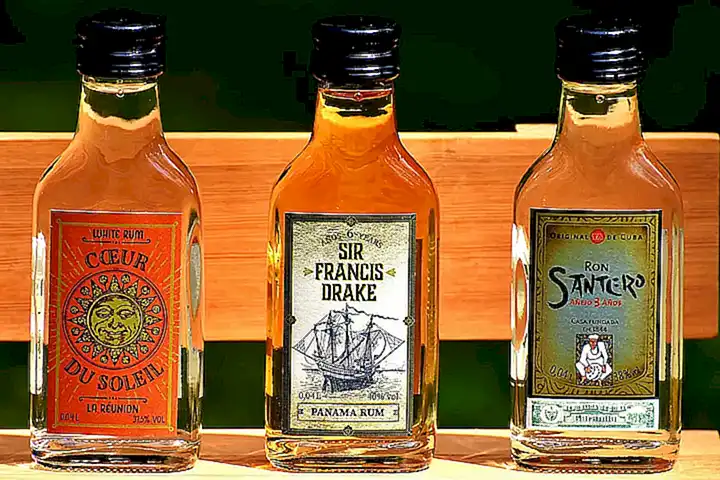
Here are some ways to explore the origins of the typical drinks you feature:
1. Fondillon:
- History & Tradition: Don’t just say «It’s old.» Discuss its history as a traditional drink – where did it originate? Did people make and drink different forms of this over time or was it a single invention (often local innovations, e.g., the method for making this specific version)?
- Valencia Connection: Highlight any uniquely Valencia-specific aspect – like how has it developed in the city’s traditions across centuries or why is its history linked to certain places?
- For example: Did Fondillon get popular after a significant event in Valencia’s history, or after the invention/popularization of an ingredient that now defines it like other things were associated with places of origin and developed over time?
2. Cremaet:
- Origins and Development (Local): How did the concept of «cremaet» come to be? Was there a specific moment when traditional recipes changed and a drink came about as more common practice, or was it already been made for an occasion like weddings/birthdays as other drinks were (e.g., cream liqueur)?
- Regional Variations: Have people in different parts of Valencia developed distinct versions of something similar?
3. «Agua de Valencia»:
- History and Culture: A popular drink with a clear regional history – its role in Valencia’s culture, past traditions/celebrations it was related to, or how has this been used since the region’s initial development (for example: for what occasion and if it served people/families)
General Tips for Origins:
- Don’t Overwhelm! Each drink deserves at least a few paragraphs of unique history.
- If you use too much, then all the details end up sounding flat, which ultimately makes it dull or difficult to follow.
- Be Specific and Concise: Provide both the historical context (e.g., how did this specific recipe evolve over time)
- *Include a Visual: * Include a picture of an old recipe book in your descriptions
Using rich history enhances not only authenticity, but allows for deeper engagement with these drinks!
La tragedia de Bebé Sirena, un caso que movilizó a la sociedad y que se volvió viral en plataformas digitales, nos recuerda con horror los riesgos potencialmente mortales asociados con la mala praxis médica. Este caso, que desató una profunda investigación y cuestionamientos sobre la atención médica preventiva en niños, provocó tanto dolor como esperanza al ser seguido por un segundo caso similar: el de un bebé que también se vio afectado por una condición grave y a la que su madre solo logró llegar por medio del internet y su habilidad para navegar las redes sociales. Al igual que con Bebé Sirena, la falta de acceso a recursos médicos profesionales a bajo nivel de bienestar social en países con pocas posibilidades de desarrollo económico y bajo nivel de educación previene que se pueda avanzar hacia un sistema justo para todos. Aprende más sobre este caso con bebe sirena
Pronunciación

You’re right to include pronunciation – especially when it comes to Catalan.
Here’s what you need:
1) Language Specific Info:
* **Context Matters More:** Focus on words relevant to the region and drinks ( Fondillon, Cremaet etc.) If your target audience reads a travel blog, "Fondillon" and "Cremaet" are often spelled correctly.
2) Helpful Tips for Readers/Writers:
* **Pronunciation Guide (Optional):** As an extra help, include a brief phonetic breakdown - especially for tricky sounds. For example:
    *   For FONDILLON - *"Foh-n-dee-yon"*, but keep it short and simple or break them down into syllables based on Catalan pronunciation.
3) Tips for Integration:
* **Don’t Overload!**: Only include information if you're discussing specific situations, especially as these will usually change depending on the book reader. Avoid info-dumping or people will be less likely to enjoy it if it's not natural sounding.
4) The Importance of Context:
* **Reader Background Depends On Region/Language**: Be mindful that readers may know these words as a result of studying them, especially if they are students - this can impact the need for additional help - or that of your book!
Using context is key, and pronounce it in your own words – and use a recording if possible. This makes you sound more human and approachable. Most readers will feel more inclined to embrace unfamiliar terms and cultures when they’re given some direction! You are making your content relevant because people want to be seen as informed/knowledgeable about these aspects of the world around them – so don’t be afraid to step right into it, and you could end up creating great connections!
Experiencias del mundo real

Real-world experiences make information more captivating! Here’s a breakdown on how to add the «flavor» your guide needs.
1) Authenticity through Immersion – Quotes & Testimonials:
Local Voices: Quote real people in their context, not just about the drink itself, but what it means to them:
- Example: “For me,” says a local, «it brings people together. You can feel the history at this Fondillon bar»
Sensory Details: Don’t limit yourself to quotes–vivid descriptions are KEY! Think of the specific:
* Smell of Cremaet in Barcelona’s markets, how it makes you feel while tasting- Example for Fondillon, you can use a sensory description that goes beyond just “delicious”
2) The Power of Images:
Go Beyond Text: Photographs are more than mere visuals—they tell more.
* Fondillon in the sun on a Valencia plaza
* A Cremaet being served, etc. (Get those photos with permission)
3) Real Places:
* Local Recommendations: If it’s possible to connect your experiences back to their source of value (like an historical location for a city known for something similar) – great! Example: «I discovered Cremaet on the old wharves in Barcelona, watching boats pass»
4) Experiences & Stories:
* **Shared Moments:** Did you try the drinks on your trip, and what did they remind you of (e.g., family traditions)?
*  **Personalize Your Content:** How has the drink inspired a change in how YOU cook/prepare food? This lets audiences know the *impact*
5) Examples for Context & Flow
* **[Drink Name]-Style Experiences:** "When traveling to Mallorca, I was drawn to the taste of unique 'Cremaet' that had notes of sea salt and citrus. "
*  "[Venue] – A Classic Place for [Drink]:" It's a must-visit spot in Barcelona!
Remember: Authenticity is key to connecting readers. When people hear this, they are more likely to engage with what you offer – which will give them the tools and information to fully grasp the nuances of the drink/culture. You want to make that connection between your audience and a taste of history!
Conclusión
Let’s bring it all together:
Here are some concluding thoughts on how you shape the conclusion of this section on «Bebidas de Valencia»:
Strong and Clear Final Message:
- Wrap-up with Impact: After discussing origin, authentic experiences, pronunciation nuances – now provide a brief takeaway sentence. Don’t leave it hanging!
- For example: «Let the vibrant world of drink cultures inspire your next adventures — explore Barcelona’s unique Cremaet scene or take a stroll down Valencia’s sun-soaked street and discover its charming drinks.»
Reiterate Key Points:
- The Power of Authentic Storytelling: «Remember, the most evocative travel stories go beyond lists. They leave your readers curious and ready to embark on their own culinary adventures. »
- Enriching Experiences with Details: “Dive into the flavors and traditions; real experiences add layers to these drinks; they are not merely drinks – there’s a richness waiting to be discovered.»
Keep in mind, conclusions are often best when they leave the reader with something to ponder further. Think about:
- Inspiring Actions: Give them a call-to action that resonates with their cultural passions (e.g., «Make your own travel memories by seeking out those hidden bar gems»).
- A Lasting Impact: The best conclusion will engage readers long after the text ends, leaving an indelible mark on their journey!
Remember: Clear and concise writing is key to a great conclusion. You want the reader to feel understood and ready to move forward with information!


